
Apple Inc.: From Garage Startup to Global Technology Giant
How Apple Inc. Grew from a Garage to a Global Tech Leader
From a humble garage in California to a $3.5 trillion global empire, Apple’s journey is one of vision, risk, and relentless innovation. Discover how bold ideas, iconic products, and a culture of reinvention turned a small startup into the most valuable company in history.
Apple Inc. stands as one of the most transformative companies in modern history. What began as a small garage-based startup has evolved into the world’s most valuable corporation. As of September 2025, Apple’s market capitalization exceeds $3.5 trillion. This remarkable journey reflects not only corporate growth but also a fundamental reshaping of how people interact with technology—from personal computers to smartphones, tablets, wearables, and digital services.
The Founding of Apple: Innovation Born in a Garage (1976–1985)
The Early Vision and Founders
On April 1, 1976, three young entrepreneurs—Steve Jobs (age 21), Steve Wozniak (age 26), and Ronald Wayne (age 42)—founded Apple Computer Company in the now-legendary garage of Jobs’s family home on Crist Drive in Los Altos, California. This humble beginning belied the revolutionary impact the company would eventually have on the world. Wozniak, a brilliant engineer working at Hewlett-Packard, had developed a passion for building personal computers after being inspired by the Altair 8800, the first commercially successful microcomputer launched in 1975. His engineering genius, combined with Jobs’s remarkable vision for marketing and user experience, created a partnership that would redefine the technology landscape.
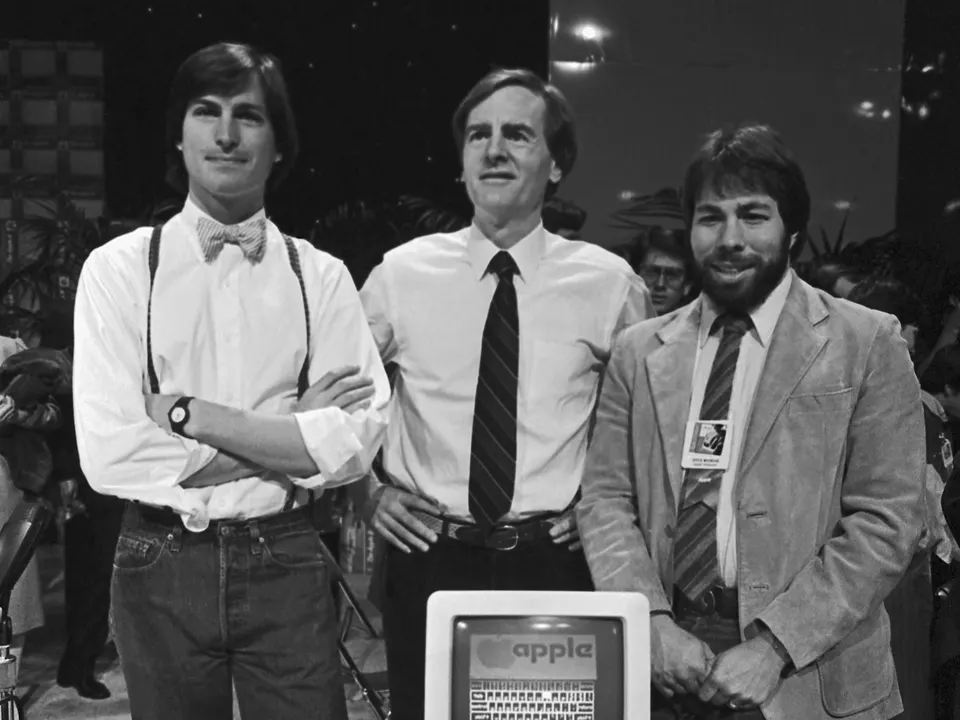
The founding trio brought complementary skills to their venture: Wozniak provided the technical expertise and engineering innovation, Jobs contributed the marketing acumen and product vision, while Wayne offered business experience from the established technology industry. To finance their ambitious project, the young founders made personal sacrifices that have become part of Silicon Valley lore—Jobs sold his Volkswagen minibus for $1,500, and Wozniak parted with his prized HP-65 programmable calculator for $500, raising a modest $1,300 in seed capital. This financial constraint forced them to work out of Jobs’s parents’ garage, a setting that would later become synonymous with American entrepreneurial spirit and innovation.
The Apple I: A Revolutionary Beginning
The company’s inaugural product, the Apple I, represented a significant leap forward in personal computing accessibility. Priced at $666.66—a figure Wozniak later claimed was chosen simply because he “liked repeating digits” rather than any symbolic meaning—the Apple was revolutionary for its time. Unlike other microcomputers that required extensive technical knowledge to operate, the Apple came as a fully assembled motherboard with CPU, RAM, and basic video capabilities. While customers still needed to provide their own keyboard, monitor, and case, this represented a significant step toward making personal computers accessible to non-technical users.
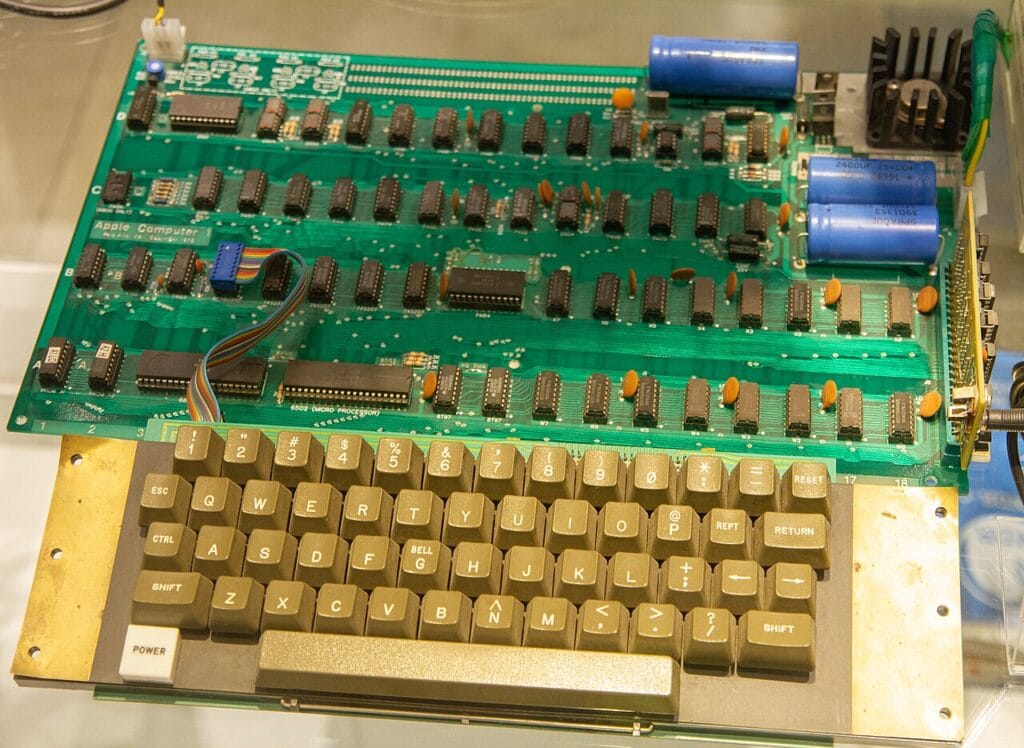
The Apple’s debut at the Homebrew Computer Club in July 1976 marked a pivotal moment in computing history. Paul Terrell, owner of the Byte Shop computer store chain, was impressed enough by the demonstration to place an order for 50 fully assembled computers at $500 each—equivalent to approximately $2,800 in today’s currency. This order provided the crucial validation and cash flow needed for the fledgling company to continue operations and begin planning their next innovation. Despite its limited capabilities and high price point, the Apple I sold approximately 200 units in its first year, establishing Apple I as a serious player in the emerging personal computer market.
The Apple II: Breakthrough Success
The introduction of the Apple II in June 1977 transformed Apple from a garage startup into a major technology company. Priced at $1,298 (approximately $6,500 in today’s dollars), the Apple II was the first truly mass-produced microcomputer designed for home and business use. The system featured groundbreaking innovations including colour graphics capability, eight expansion slots for customization, and support for floppy disk drives—features that were revolutionary in the personal computing landscape of the late 1970s.
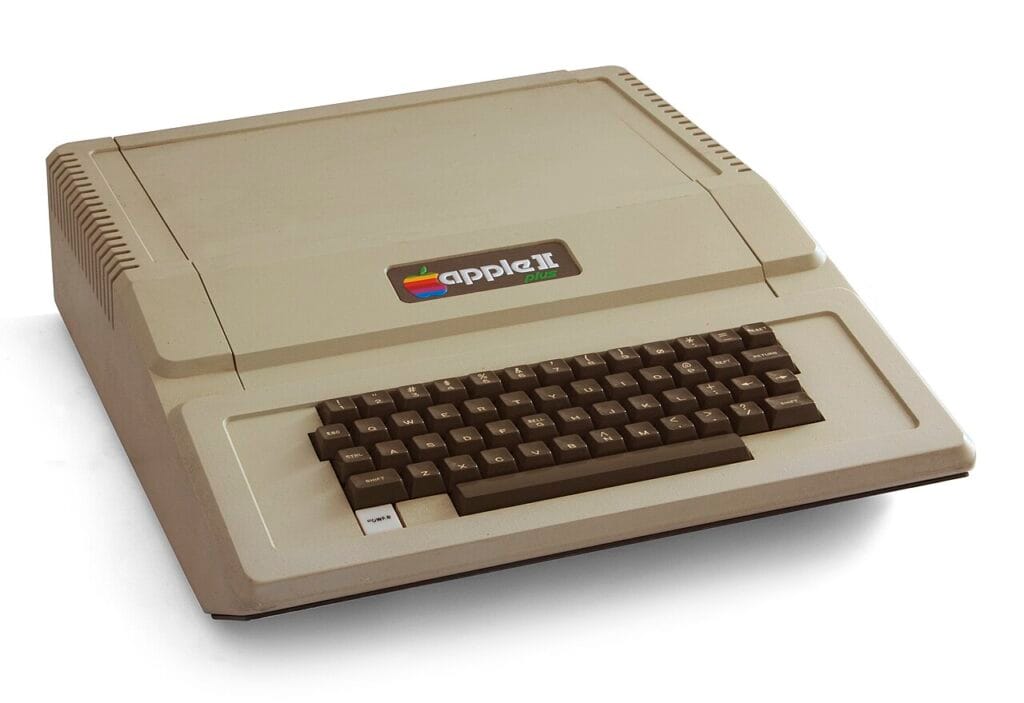
The Apple II’s success was driven by its unprecedented combination of technical capability and user-friendly design. Unlike competing systems that required users to have programming knowledge, the Apple II could be used by educators, small business owners, and home enthusiasts with minimal technical training. The machine’s versatility attracted software developers who created thousands of applications, including VisiCalc—often considered the first “killer app” for personal computers—which provided spreadsheet functionality that would later evolve into programs like Microsoft Excel.
The financial impact of the Apple II was extraordinary, with the computer generating sales that grew from $775,000 in 1977 to $118 million by 1980—an average annual growth rate of 533%. This success provided Apple with the resources to continue innovation while establishing the company as a legitimate competitor to established technology firms like IBM and Commodore. The Apple II remained in production for over a decade, serving as the financial foundation that supported Apple’s continued research and development efforts.
Apple’s 1980 IPO: A Landmark Moment
Apple’s initial public offering on December 12, 1980, created the largest IPO in history at that time, raising $256 million and valuing the company at $1.2 billion. Shares were priced at $22 each and closed the first day at $29, immediately creating more millionaires than any company in history to that point. The IPO’s success validated not only Apple’s business model but also the broader personal computer industry, attracting institutional investors and legitimizing technology startups as viable investment opportunities.
The public offering provided with substantial capital for expansion and research while also creating a public profile that enhanced the company’s ability to recruit top talent. However, the transition to public company status also introduced new pressures for quarterly performance and shareholder returns that would later create tensions between the founders’ vision for long-term innovation and investors’ expectations for consistent financial growth.
Macintosh: Innovation Meets Leadership Crisis
The Launch of the Macintosh
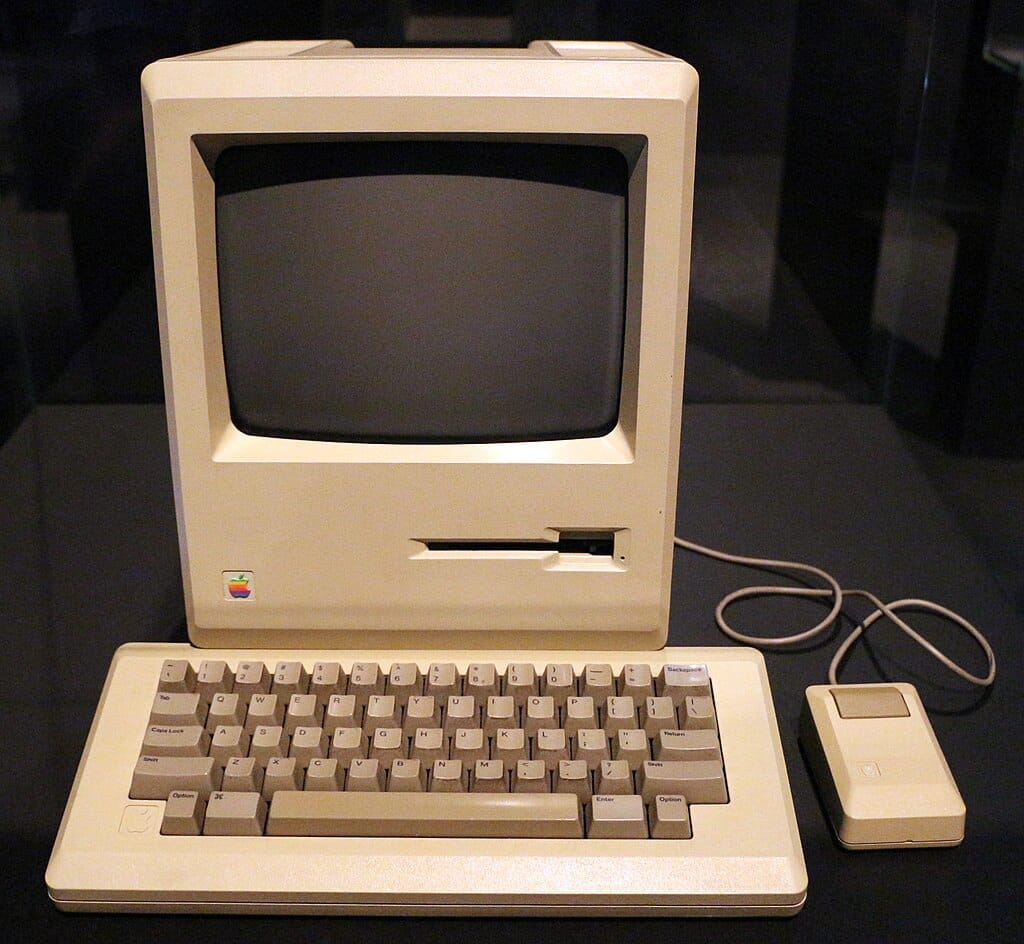
The development of the Macintosh computer in the early 1980s represented Apple’s most ambitious project to date, incorporating revolutionary concepts in user interface design that would influence computing for decades. Launched on January 24, 1984, with the famous Super Bowl advertisement directed by Ridley Scott, the Macintosh introduced the general public to graphical user interfaces, mouse-based navigation, and intuitive computing concepts borrowed from Xerox’s research laboratories. Jobs positioned the Macintosh as a tool for creative professionals and individuals who valued ease of use over technical specifications.
Commercial Struggles and Internal Conflict
Despite its technological innovations, the Macintosh initially struggled in the marketplace due to its high price point ($2,495), limited software availability, and performance constraints. The computer’s commercial disappointment created significant tension within Apple’s leadership, particularly between Jobs and CEO John Sculley, whom Jobs had recruited from PepsiCo in 1983 with the famous challenge: “Do you want to sell sugar water for the rest of your life, or do you want to come with me and change the world?”.
The Departure of Steve Jobs: End of an Era
The failure of the Macintosh to meet sales expectations precipitated a boardroom crisis that would reshape Apple’s trajectory for the next decade. By early 1985, tensions between Jobs and Sculley had reached a breaking point, with fundamental disagreements about product strategy, resource allocation, and company direction. The Apple board faced a difficult choice between supporting their charismatic co-founder or their experienced CEO, ultimately deciding that Sculley’s business expertise was more crucial for the company’s immediate survival.
On May 31, 1985, following a contentious board meeting, Jobs was removed from all operational responsibilities and relegated to a ceremonial chairman position. Feeling betrayed and marginalized, Jobs resigned from Apple entirely on September 17, 1985, taking several key employees with him to found NeXT Computer. His departure statement reflected both disappointment and determination: “I feel like somebody just punched me in the stomach and knocked all my wind out. I’m only 30 years old and I want to have a chance to continue creating things”.
The Wilderness Years: Without Jobs (1985-1997)
The Sculley Era: Growth and Missed Opportunities
Under John Sculley’s leadership from 1985 to 1993, Apple experienced significant financial growth while gradually losing its innovative edge. Sculley, leveraging his marketing expertise from PepsiCo, successfully expanded Apple’s market presence and improved the Macintosh’s commercial performance. During this period, company sales increased from $800 million to $8 billion, and the late 1980s and early 1990s were retrospectively viewed as the “first golden age” of the Macintosh platform.
However, Sculley’s tenure was also marked by strategic missteps that would haunt Apple for years. His decision to license certain aspects of the Mac interface to Microsoft in exchange for continued Office development proved particularly damaging, as it enabled Microsoft to incorporate Mac-like features into Windows without legal repercussions. Additionally, Sculley’s resistance to licensing the complete Mac operating system to third-party manufacturers—a strategy that might have prevented Microsoft’s dominance—reflected a fundamental misunderstanding of the changing competitive landscape.
The introduction of successful products like the PowerBook line in 1991 demonstrated Apple’s continued capacity for innovation, but the company struggled to maintain the revolutionary pace of development that had characterized the Jobs era. By the early 1990s, increasingly powerful Windows-based PCs from multiple manufacturers began to erode Apple’s market share, leading to declining profits despite continued revenue growth.
Decline and Near Bankruptcy
The period from 1993 to 1997 represented the nadir of Apple’s corporate history, with a succession of CEOs unable to restore the company’s innovative momentum or competitive position. Following Sculley’s departure in 1993, Apple went through several leadership changes while losing market share to increasingly sophisticated Windows-based systems. The company’s product line became fragmented and confusing, with multiple Mac models serving overlapping market segments without clear differentiation.
By 1996, Apple was on the verge of bankruptcy, with declining sales, confused product strategy, and an aging operating system that lagged behind competitors in functionality and stability. The company’s stock price had fallen from its early 1990s highs to under $4 per share, and many industry observers predicted Apple’s imminent demise. Desperate for a solution, Apple’s board began exploring acquisition options, ultimately leading to the fateful decision to purchase NeXT Computer for $429 million in late 1996.
The Return of Steve Jobs: Renaissance (1997–2011)
Dramatic Comeback and Strategic Reset
Steve Jobs’s return to Apple in July 1997 marked the beginning of one of the most remarkable corporate turnarounds in business history. Initially serving as interim CEO, Jobs quickly implemented dramatic changes to simplify Apple’s confused product lineup and refocus the company on innovation. His first major decision was to discontinue dozens of peripheral products and redundant computer models, concentrating resources on a few key products that could genuinely differentiate Apple in the marketplace.
The introduction of the iMac in May 1998 signaled Apple’s creative renaissance and Jobs’s genius for combining technology with compelling design. Priced at $1,299, the iMac featured a translucent, colorful design that stood in stark contrast to the beige boxes that dominated the computer industry. More importantly, the iMac incorporated user-friendly features like simplified internet connectivity and elimination of floppy disk drives in favour of more modern technologies. The computer’s commercial success—selling over 800,000 units in its first five months—validated Jobs’s approach and provided Apple with the financial stability needed for larger innovations.
The Digital Hub Strategy: iPod and iTunes Transform Media
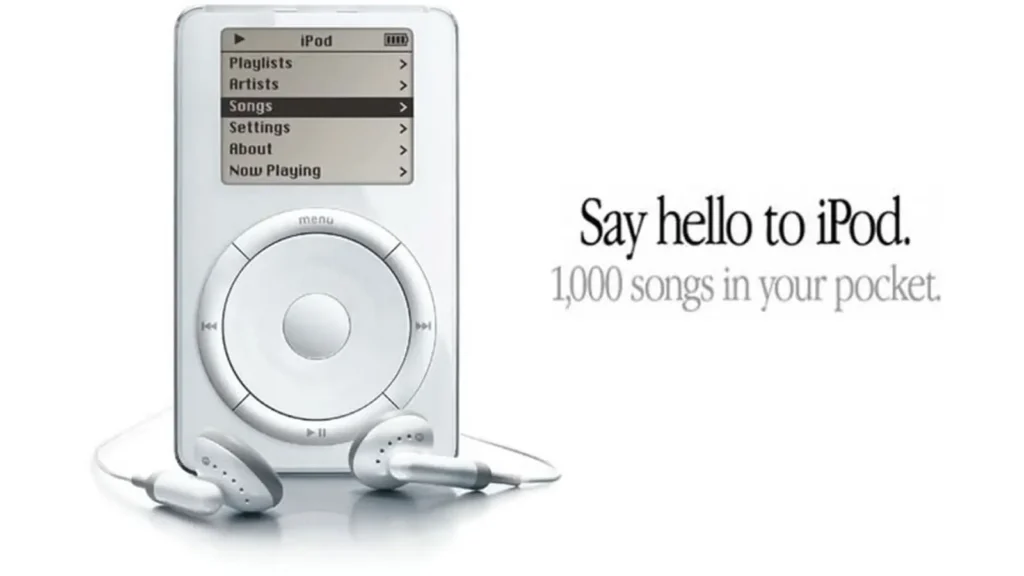
Apple’s transformation from a computer company to a consumer electronics powerhouse began with the launch of the iPod on October 23, 2001. Priced at $399 and marketed with the slogan “1,000 songs in your pocket,” the iPod represented a fundamental shift in how people consumed music. The device featured a revolutionary 5GB hard drive, FireWire connectivity for fast music transfers, and an intuitive scroll wheel interface that made navigation effortless.
The iPod’s success was amplified by the launch of the iTunes Store on April 28, 2003, which provided the first legal, user-friendly platform for digital music purchases. At a time when illegal downloading through services like Napster had destabilized the music industry, iTunes offered a legitimate alternative that satisfied both consumers’ desire for convenience and record labels’ need for revenue protection. Songs were priced at $0.99 each, with album purchases typically costing $9.99—pricing that struck an optimal balance between accessibility and profitability.
The iTunes ecosystem demonstrated Jobs’s vision of the “digital hub,” where the Mac would serve as the central device connecting various digital devices and services. This strategy positioned Apple not merely as a hardware manufacturer but as a creator of integrated experiences that seamlessly connected hardware, software, and services. By 2006, Apple had sold over 67 million iPods and over 1.5 billion songs through iTunes, establishing the company as a major force in consumer electronics and digital media distribution.
The iPhone: The Product That Changed the World
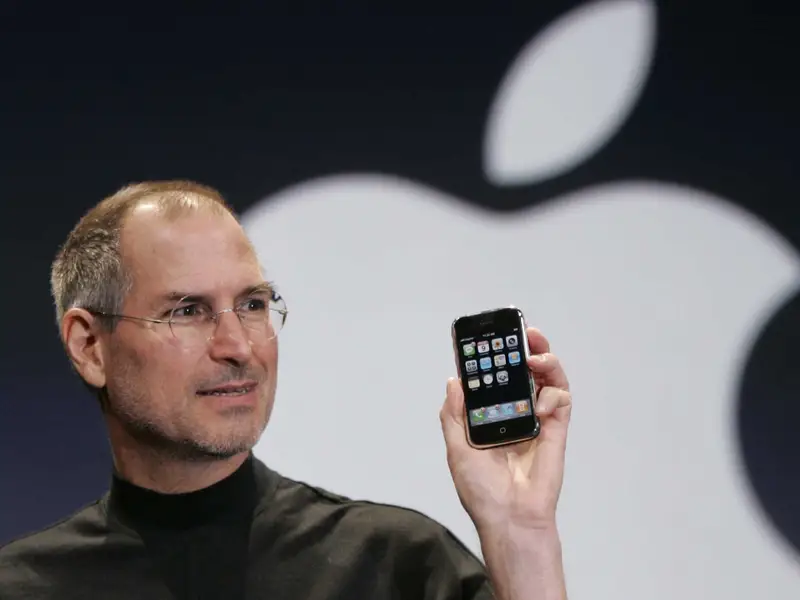
The introduction of the iPhone on January 9, 2007, at the MacWorld Conference & Expo represents perhaps the single most significant product launch in technology history. Jobs’s presentation, describing the device as “a revolutionary mobile phone, a widescreen iPod with touch controls, and a breakthrough Internet communications device,” fundamentally altered public expectations for mobile technology. The iPhone’s capacitive touchscreen interface, elimination of physical keyboards, and emphasis on software-based functionality established design principles that continue to influence smartphone development today.
The iPhone’s impact extended far beyond Apple’s financial performance, catalyzing the mobile revolution that has reshaped virtually every aspect of modern life. The device’s introduction of multitouch gestures, accelerometer-based screen rotation, and proximity sensors made these technologies mainstream across the industry. More significantly, the iPhone put internet access in users’ pockets, enabling the development of location-based services, social media platforms optimized for mobile use, and entirely new categories of mobile applications.
The launch of the App Store on July 10, 2008, created an entirely new economy for software developers while providing iPhone users with access to thousands of specialized applications. This ecosystem approach—where hardware, software, and services work together to create enhanced user experiences—became central to Apple’s competitive strategy and financial success. By 2010, the App Store had facilitated over 5 billion app downloads, generating substantial revenue for both Apple and developers while demonstrating the viability of mobile software distribution.
Expanding the Ecosystem: iPad and New Product Categories
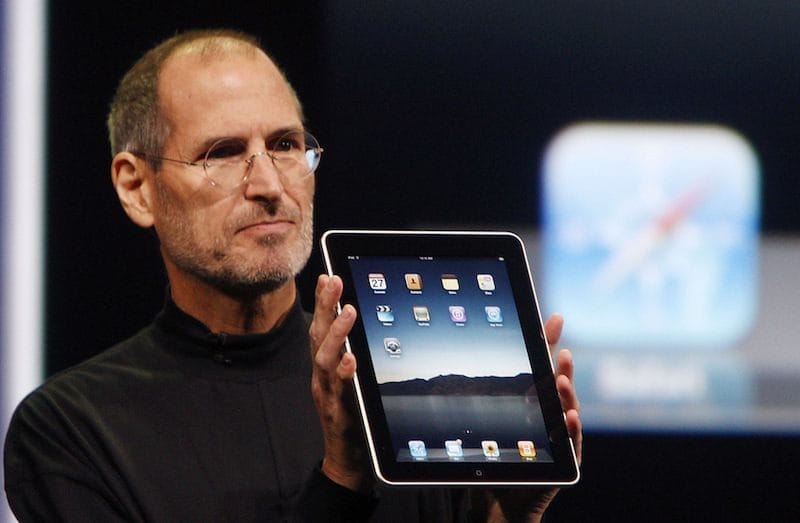
The launch of the iPad on January 27, 2010, created an entirely new product category while demonstrating Apple’s ability to envision consumer needs before they were widely recognized. Initially dismissed by critics as merely a “large iPhone,” the iPad proved to have distinct use cases that made it valuable for content consumption, creative work, and business applications. The device’s 9.7-inch touchscreen, 10-hour battery life, and optimized software experience made it ideal for activities like reading, video watching, and casual gaming.
The iPad’s success validated the tablet computer concept and spawned numerous competitors, but Apple maintained market leadership through continuous innovation and ecosystem integration. The device’s impact on industries like publishing, education, and healthcare demonstrated how new technologies could transform traditional workflows and create new possibilities for human-computer interaction. Within two years of launch, Apple had sold over 55 million iPads, generating more than $25 billion in revenue and establishing tablets as a permanent fixture in consumer electronics.
The Tim Cook Era: Services, Scale, and Sustainability (2011–Present)
Leadership Transition and Continued Growth
Tim Cook’s appointment as CEO on August 24, 2011, following Steve Jobs’s resignation due to health issues, marked a crucial transition for Apple. Unlike his charismatic predecessor, Cook brought a background in operations and supply chain management that would prove essential for managing Apple’s growth into the world’s most valuable company. Cook’s leadership style, characterized as methodical and collaborative rather than visionary and demanding, represented a significant cultural shift that many observers initially viewed with skepticism.
Cook’s first major challenge was maintaining Apple’s innovative momentum while scaling operations to meet unprecedented global demand. The company Cook inherited generated $108 billion in annual revenue with a market capitalization of approximately $350 billion. Under his leadership, Apple would experience extraordinary growth, with annual revenue reaching $408 billion by 2025 and market capitalization exceeding $3.5 trillion—making it the world’s most valuable publicly traded company.
New Products and Market Expansion
Cook’s tenure has been characterized by careful expansion of Apple’s product portfolio while maintaining the company’s reputation for premium quality and innovative design. The Apple Watch, launched on April 24, 2015, represented Apple’s first entirely new product category since the iPad and demonstrated the company’s ability to create new markets rather than simply entering existing ones. Initially priced from $349 to $17,000 for luxury editions, the Apple Watch quickly became the world’s best-selling smartwatch, with annual sales exceeding those of the entire Swiss watch industry.
The introduction of AirPods in 2016 showcased Apple’s capability to reimagine familiar product categories through superior engineering and design. Despite initial skepticism about wireless earbuds, AirPods became a cultural phenomenon and financial success, generating billions in annual revenue while establishing Apple as a major player in the audio accessories market. The product’s success demonstrated Cook’s ability to identify and execute on opportunities that aligned with Apple’s ecosystem strategy.
Cook’s most ambitious product launch came with the announcement of the Apple Vision Pro mixed-reality headset on June 5, 2023. Priced at $3,499 and featuring unprecedented display technology with 23 million pixels across two micro-OLED screens, the Vision Pro represents Apple’s vision for spatial computing. While early sales have been modest compared to iPhone volumes, the product establishes Apple’s position in emerging technologies that may become significant revenue drivers in future decades.
Financial Milestones and Market Leadership
Apple’s financial performance under Cook’s leadership has been extraordinary, marked by multiple historic milestones that have redefined corporate valuation. On August 2, 2018, Apple became the first U.S. company to achieve a $1 trillion market capitalization, a symbolic threshold that demonstrated the company’s unprecedented scale and investor confidence. This milestone was achieved through a combination of strong iPhone sales, growing services revenue, and investor optimism about Apple’s long-term prospects.
Just two years later, on August 19, 2020, Apple reached an even more remarkable milestone by becoming the first U.S. company valued at $2 trillion. This doubling of valuation in just 24 months reflected not only the company’s financial performance but also investors’ recognition of Apple’s resilient business model during the COVID-19 pandemic. The achievement was particularly noteworthy given the economic uncertainty of 2020, when many companies struggled with reduced consumer spending and supply chain disruptions.
By 2023, Apple had surpassed $3 trillion in market capitalization, cementing its position as the world’s most valuable publicly traded company. This valuation exceeded the gross domestic product of many developed nations, including the United Kingdom, India, and France. The company’s financial scale has given it unprecedented influence in global supply chains, technology standards, and consumer behavior patterns.
The Services Revolution
One of Cook’s most significant strategic achievements has been the dramatic growth of Apple’s Services division, which includes the App Store, iCloud, Apple Music, Apple TV+, and other digital offerings. Services revenue grew from approximately $15 billion in fiscal 2012 to $68 billion in fiscal 2024—a growth rate that exceeded even iPhone revenue expansion. This segment has become particularly valuable due to its high profit margins (approximately 75% compared to 35% for hardware) and recurring revenue model.
The Services growth reflects Cook’s vision of extracting maximum value from Apple’s installed base of over 2 billion active devices worldwide. Rather than simply selling hardware, Apple now generates ongoing revenue through subscriptions, digital content sales, and cloud services. This strategy provides more predictable revenue streams and higher customer lifetime value, making Apple less dependent on hardware upgrade cycles.
Apple Today and the Future of Innovation
As of 2025, Apple continues to demonstrate financial strength with quarterly revenue of $94 billion in Q3 2025, representing 10% year-over-year growth. iPhone sales remain the company’s largest revenue source at $44.6 billion quarterly, while Services achieved record revenue of $27.4 billion. The Mac segment experienced a remarkable resurgence with 15% year-over-year growth driven by demand for M4-powered MacBook Air models.
Apple’s current challenges include maintaining growth in mature markets, navigating increasing regulatory scrutiny regarding App Store policies and antitrust concerns, and competing in artificial intelligence where companies like Microsoft and Google have established early advantages. The company’s response to AI competition includes the development of “Apple Intelligence” features integrated across its device ecosystem, though the full impact of this strategy remains to be determined.
Looking ahead, Apple’s success will likely depend on its ability to identify and create new product categories while maintaining the ecosystem integration that has made its existing products so valuable. The Vision Pro represents one such bet on future technologies, while rumoured projects in areas like autonomous vehicles and robotics suggest the company continues to explore transformative opportunities. With a cash position exceeding $160 billion and strong free cash flow generation, Apple has the financial resources to invest in long-term innovations while returning substantial value to shareholders through dividends and stock repurchases.
Impact on Industries and Society
Apple’s influence extends far beyond its financial success, having fundamentally altered multiple industries and aspects of modern life. The company’s approach to product design, emphasizing simplicity, premium materials, and user experience, has influenced industries ranging from automotive to home appliances. The concept of ecosystem integration—where multiple products work together to create enhanced experiences—has become a standard approach across technology companies.
The iPhone’s introduction catalyzed the development of entire new industries, including mobile app development, location-based services, and social media platforms optimized for mobile use. The device’s impact on industries like photography, mapping, transportation, and retail continues to reverberate more than fifteen years after its introduction. Similarly, the iPad created new possibilities in education, healthcare, and creative industries while challenging traditional assumptions about personal computing.
Apple’s emphasis on privacy and data protection has influenced industry standards and regulatory approaches to technology governance. Cook’s positioning of privacy as a “fundamental human right” has differentiated Apple from competitors while forcing other companies to address consumer concerns about data collection and usage.
The company’s environmental initiatives, including commitments to carbon neutrality and the use of recycled materials in product manufacturing, have influenced industry practices and consumer expectations regarding corporate environmental responsibility. Apple’s size and influence have made these commitments particularly significant in driving supplier behavior and industry standards.
If you’d like to explore more topics or to access the required quiz for purchasing your raffle ticket, visit our main Quiz & Studies page.
Quiz
Each study material comes with a short practice quiz at the end. These quizzes are completely optional and designed to help you review what you’ve learned and prepare for the Big Quiz.
💡 Use them to test your knowledge in a fun, low-pressure way – no email or name required.
We’re always improving and updating our content. If you spot anything that seems off, don’t hesitate to reach out – your feedback truly matters to us!
👉 Ready to test yourself? Start the Practice Quiz below:
#1. What was the original selling price of the Apple I computer when it was first released in 1976?
#2. What is Apple’s mixed-reality headset product called, which was announced in June 2023?
#3. In what year did Apple become the first U.S. company to reach a $1 trillion market capitalization?
#4. Who succeeded Steve Jobs as CEO of Apple when Jobs resigned in August 2011?
#5. Which Apple product was launched on October 23, 2001, with the marketing slogan “1,000 songs in your pocket”?
Results

Well done! You’ve successfully completed the Apple quiz. Your knowledge shows that you truly understand how Apple reshaped the world of technology. Keep exploring, stay curious, and continue learning from the greatest innovators of our time.

Almost there! Don’t be discouraged—Apple didn’t get it right on the first try either. Revisit the study, sharpen your knowledge, and give the quiz another go. Every great achievement starts with persistence!