
Electric Vehicles: From 19th Century Innovation to 21st Century Revolution
The Evolution of Electric Vehicles: From Early Innovation to Mass Adoption (1828–2025)
The evolution of electric vehicles represents one of the most fascinating technological narratives in modern history, characterized by remarkable early innovation, decades of dormancy, and a spectacular renaissance that has fundamentally transformed the automotive industry. Electric vehicles, far from being a recent invention, actually predate gasoline-powered automobiles by several decades, with the first experimental electric motors appearing in the 1820s and practical electric carriages emerging throughout the 1880s and 1890s.
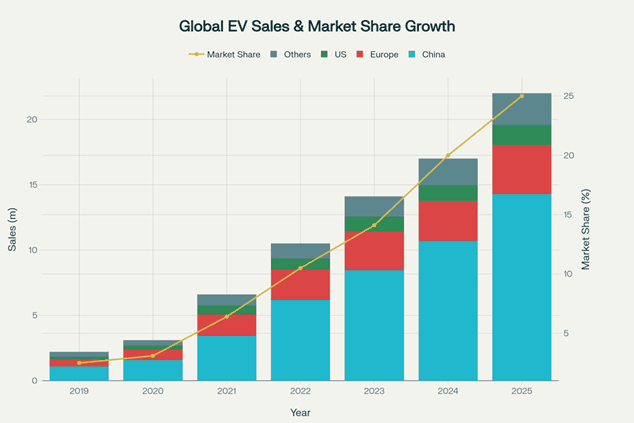
Today, as the world grapples with climate change and environmental sustainability, electric vehicles have evolved from curiosities and niche products into mainstream transportation solutions that accounted for 25% of global new vehicle sales in 2025, with over 22 million units sold worldwide. This transformation represents not merely a change in propulsion technology, but a complete reimagining of transportation systems, energy infrastructure, and automotive manufacturing that promises to reshape mobility for generations to come.
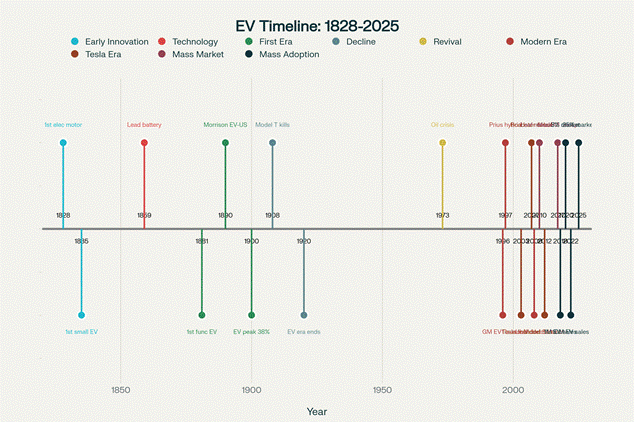
The Early Electric Era: Pioneering Innovation (1828-1920)
Genesis of Electric Mobility
The story of electric vehicles begins in the early 19th century with fundamental discoveries in electromagnetism and battery technology. In 1828, Hungarian priest and physicist Ányos Jedlik created an early type of electric motor and constructed a small model powered by it, marking humanity’s first steps toward electric propulsion. This breakthrough was followed by Scottish inventor Robert Anderson’s development of a crude electric carriage between 1832 and 1839, though these early vehicles were limited by non-rechargeable primary cells that required replacement after each use.
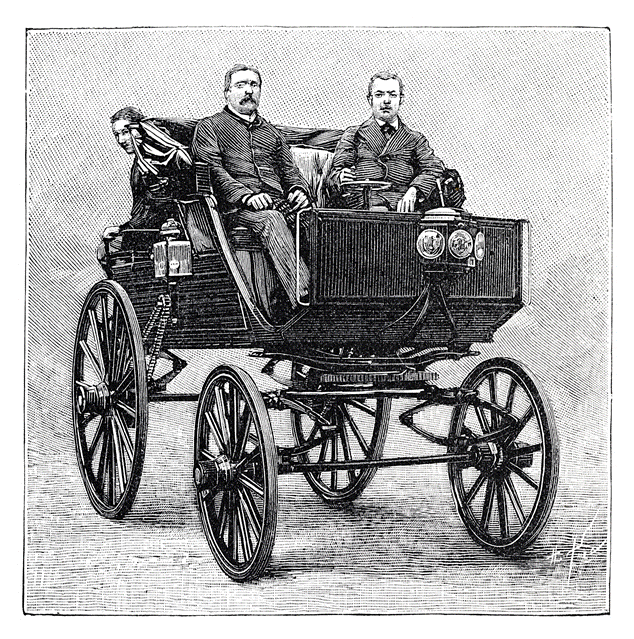
The technological foundation for practical electric vehicles was established in 1859 when French physicist Gaston Planté invented the lead-acid battery, the first rechargeable battery that could store and release electrical energy repeatedly. This innovation proved crucial, as it enabled the development of vehicles that could be refueled through charging rather than battery replacement. By 1881, French inventor Gustave Trouvé had created the first functional electric vehicle, designed as a tricycle that used an improved DC Siemens electric motor and lead-acid battery for power. Trouvé’s vehicle could carry passengers and demonstrated the practical potential of electric propulsion, though patent complications prevented commercial success.
The First Golden Age of Electric Cars (1890–1920)
The period from 1890 to 1920 represented the first golden age of electric vehicles, during which they competed successfully with gasoline and steam-powered automobiles. William Morrison’s electric carriage, debuted in the United States around 1890, featured front-wheel drive, 4 horsepower output, and a reported top speed of 20 mph with a range of 50 miles per charge. Morrison’s vehicle created a sensation at the 1893 Chicago World’s Fair, sparking widespread interest in electric transportation and inspiring numerous inventors and entrepreneurs.

The commercial viability of electric vehicles was demonstrated by Morris and Salom’s Electrobat company, which received a patent in 1894 and evolved their initially heavy and slow vehicles into practical carriages capable of 25-mile ranges at 20 mph by 1896. The Electrobat proved its capabilities by winning sprint races against gasoline-powered Duryea automobiles, establishing electric vehicles as legitimate competitors in the emerging automotive market. The success of Electrobat led to the formation of the Electric Vehicle Company (EVC), which operated over 600 electric cabs in New York City with smaller fleets in Boston, Baltimore, and other eastern cities by the early 1900s.
During this period, electric vehicles enjoyed several significant advantages over their gasoline counterparts. They were quieter, cleaner, and easier to operate, requiring no hand-cranking for starting and producing no exhaust emissions. Electric vehicles were particularly popular among wealthy urban consumers and women, who appreciated their refined operation and reliability. By 1900, electric vehicles represented approximately 38% of all automobiles in the United States, with steam vehicles accounting for 40% and gasoline vehicles only 22%. Cities like New York pioneered innovative solutions such as battery-swapping stations, where spent batteries could be quickly replaced with charged ones, prefiguring modern concepts in EV infrastructure.
Strengths and Limitations of Early Electric Vehicles
The early electric vehicle industry achieved remarkable technological sophistication considering the limitations of the era. The Columbia Electric Vehicle, produced by Pope Manufacturing Company, reached the milestone of 1,000 units produced well before Detroit’s mass manufacturers achieved similar volumes. Electric vehicles of this period featured advanced engineering, including sophisticated electrical control systems, regenerative braking (in some models), and elegant body designs that rivaled the finest horse-drawn carriages.
However, early electric vehicles faced significant technical limitations that would ultimately contribute to their decline. The lead-acid batteries of the era were heavy, expensive, and limited in capacity, restricting vehicle range to approximately 25-50 miles per charge. Charging infrastructure was virtually nonexistent outside major cities, and recharging was a time-consuming process that could take many hours. The electrical control systems were also primitive by modern standards, limiting performance and efficiency.
The Decline and Dormancy Period (1910-1970)
The Rise of Internal Combustion and the Model T
The introduction of Henry Ford’s Model T in 1908 fundamentally altered the competitive landscape for electric vehicles. Ford’s revolutionary assembly line production methods enabled the mass production of reliable, affordable gasoline automobiles at prices that undercut electric vehicles by significant margins. The Model T’s initial price of $825 in 1908 fell to just $290 by 1925, making personal automobile ownership accessible to middle-class consumers for the first time.
Simultaneously, improvements in gasoline engine technology, including the electric starter motor (ironically developed by Charles Kettering in 1912), eliminated many of the operational disadvantages that had favored electric vehicles. Gasoline vehicles no longer required dangerous hand-cranking to start, and their range capabilities far exceeded those of electric vehicles, making them more suitable for the expanding road networks and longer-distance travel patterns emerging in the early 20th century. The discovery of vast petroleum reserves in Texas, California, and other regions also made gasoline increasingly abundant and affordable.
Infrastructure and Economic Advantages of Gasoline Cars
The development of extensive gasoline distribution networks provided crucial infrastructure support for internal combustion vehicles that electric vehicles lacked. Service stations began appearing throughout the United States, making gasoline refueling convenient and widely available, while electrical charging infrastructure remained limited to major urban centers. The economic advantages of gasoline vehicles became increasingly pronounced as production volumes scaled and manufacturing costs declined.
EVs Retreat to Niche and Industrial Applications
By 1920, electric vehicle production had virtually ceased in the United States, with most manufacturers either switching to gasoline vehicles or exiting the automotive industry entirely. The combination of lower purchase prices, greater range, extensive refueling infrastructure, and improved reliability made gasoline vehicles the clear choice for most consumers. Electric vehicles retreated to specialized applications such as industrial trucks, golf carts, and short-range delivery vehicles where their characteristics remained advantageous.
Rediscovering Electric Mobility (1970–2000)
Oil Crises and Environmental Awareness
The 1973 oil crisis marked the beginning of renewed interest in electric vehicles as policymakers and consumers grappled with energy security concerns and rising gasoline prices. The sudden quadrupling of oil prices exposed the vulnerability of transportation systems dependent on imported petroleum, spurring government and private sector investment in alternative propulsion technologies. Environmental concerns about urban air pollution also contributed to growing interest in zero-emission vehicles, particularly in cities like Los Angeles where smog had become a serious public health issue.
Experimental EV Programs and Prototypes
During the 1970s and 1980s, several automakers developed experimental electric vehicles that incorporated advances in battery technology, power electronics, and electric motor design. General Motors created the Electrovette, based on the Chevrolet Chevette, while Ford developed the Ecostar delivery van. These vehicles demonstrated significant improvements over earlier electric cars but remained limited by battery technology and high costs.
The EV1 Era and California’s ZEV Mandate
The 1990s witnessed the most serious attempt to commercialize electric vehicles since the early 1900s, driven primarily by California’s Zero Emission Vehicle (ZEV) mandate. Enacted in 1990, the ZEV mandate required that 2% of vehicles sold in California by large automakers be zero-emission by 1998, rising to 10% by 2003. This regulatory pressure prompted major manufacturers to develop production-ready electric vehicles for the first time in decades.
General Motors’ EV1, launched in 1996, represented the most advanced electric vehicle of its era. The EV1 featured aerodynamic design, advanced battery technology, and sophisticated electronic systems that delivered a range of 55-75 miles depending on battery configuration. The vehicle was available only through leasing programs in California and Arizona, attracting a dedicated following of environmentally conscious consumers who appreciated its advanced technology and zero-emission operation.
Toyota simultaneously developed the RAV4 EV, an electric version of its popular compact SUV, which offered practical utility combined with zero emissions. Other manufacturers, including Ford, Honda, and Chrysler, also developed electric vehicles to comply with California’s mandate. However, legal challenges to the ZEV mandate and automaker resistance led to its weakening in 1996, removing much of the regulatory pressure that had driven EV development.
The cancellation of the EV1 program in 1999 and the recall of virtually all EV1 vehicles for destruction became symbolic of the electric vehicle’s continued marginalization. GM cited low consumer demand, high costs, and technological limitations as reasons for discontinuing the program, though critics argued that inadequate marketing and artificial limitations on availability contributed to its commercial failure. The EV1’s demise marked the end of the 1990s electric vehicle revival and the beginning of another period of reduced industry interest in electric propulsion.
Hybrid Technology as a Bridge to Modern EVs (Toyota Prius)
The introduction of the Toyota Prius in 1997 marked a crucial transition in automotive electrification, demonstrating that electric motors could be successfully integrated with conventional powertrains to achieve significant improvements in fuel efficiency. The Prius combined a gasoline engine with an electric motor and battery pack to create a hybrid system that automatically switched between power sources to optimize fuel consumption. While not a pure electric vehicle, the Prius proved that consumers would accept electrified powertrains and that such vehicles could achieve commercial success.
The Prius’s market success was particularly significant in establishing consumer familiarity with electric propulsion concepts and advanced battery technology. By 2000, Toyota had sold over 50,000 Prius vehicles globally, demonstrating viable demand for environmentally friendly automobiles. The hybrid concept also provided a technological stepping stone toward pure electric vehicles by advancing battery technology, electric motor design, and power electronics that would later prove crucial for EV development.
The Tesla Revolution and Modern EV Renaissance (2003-2020)
Founding Vision: EVs as High-Performance Technology Products
The founding of Tesla Motors on July 1, 2003, by Martin Eberhard and Marc Tarpenning marked the beginning of the modern electric vehicle revolution. Unlike previous electric vehicle efforts that had focused on compliance with regulations or niche market applications, Tesla’s founders envisioned electric vehicles as superior performance machines that could compete with and exceed the capabilities of conventional automobiles. Their strategic insight was that electric drivetrains offered inherent advantages in acceleration, efficiency, and refinement that could appeal to performance-oriented consumers rather than just environmentally conscious buyers.
Eberhard and Tarpenning brought crucial experience from their previous success with NuvoMedia, which had developed one of the first e-readers, the Rocket eBook, before being acquired for $187 million in 2000. This background in consumer electronics and battery-powered devices provided them with insights into miniaturization, power management, and user interface design that would prove essential for electric vehicle development. Their approach differed fundamentally from traditional automakers by treating electric vehicles as technology products rather than simply automobiles with different propulsion systems.
The Roadster and New Lithium-Ion Battery Strategy
Tesla’s most significant innovation was the decision to use thousands of small lithium-ion battery cells similar to those found in laptop computers rather than the large-format batteries typically used in electric vehicles. This approach allowed Tesla to leverage the rapid improvements in energy density and cost reduction occurring in the consumer electronics industry, where massive production volumes drove continuous technological advancement. The Tesla Roadster incorporated 6,831 individual lithium-ion cells managed by sophisticated battery management systems that monitored temperature, voltage, and current for each cell.
The Roadster’s performance specifications represented a quantum leap beyond previous electric vehicles, with acceleration from 0-60 mph in under 4 seconds, a top speed of 125 mph, and a range of approximately 245 miles per charge. These capabilities directly challenged preconceptions about electric vehicle limitations and demonstrated that electric drivetrains could deliver sports car performance while maintaining environmental benefits. The vehicle’s base price of $109,000 positioned it as a luxury product that could generate sufficient margins to fund further development while establishing Tesla’s brand credibility.
Elon Musk’s Scaling Vision and the Secret Master Plan
Elon Musk’s investment of $7.5 million in Tesla’s Series A funding round in February 2004 proved crucial to the company’s survival and eventual success. Musk, who had recently sold PayPal to eBay for $1.5 billion and was simultaneously founding SpaceX, brought not only financial resources but also a transformative vision for electric vehicle manufacturing and market development. His involvement elevated Tesla from a small startup to a company with credible prospects for competing against established automakers.
Musk’s strategic vision extended beyond producing luxury electric sports cars to creating a complete ecosystem of electric transportation that would eventually include mass-market vehicles, charging infrastructure, and energy storage systems. His famous “secret master plan,” published in 2006, outlined a strategy of using profits from expensive, low-volume vehicles to fund development of progressively more affordable, higher-volume products until electric vehicles could compete directly with conventional automobiles across all market segments. This approach provided a clear roadmap for Tesla’s development while addressing the technological and economic challenges that had limited previous electric vehicle efforts.
The Model S and the Supercharger Network
The launch of the Tesla Model S in 2012 represented a watershed moment in electric vehicle development, demonstrating that electric vehicles could match or exceed the performance, luxury, and practicality of premium conventional automobiles. The Model S featured a 85 kWh battery pack that provided up to 265 miles of range, addressing the range anxiety that had limited electric vehicle adoption. Its advanced manufacturing techniques, including extensive use of aluminum construction and sophisticated software systems, established new benchmarks for electric vehicle engineering.
The Model S’s market reception validated Tesla’s approach to electric vehicle development, with the vehicle winning numerous awards including Motor Trend’s Car of the Year in 2013. Consumer enthusiasm for the Model S, demonstrated by sustained demand and high satisfaction ratings, proved that electric vehicles could succeed as desirable products rather than merely environmentally responsible alternatives. The vehicle’s success also established Tesla as a serious competitor to established luxury automakers and attracted significant investor interest that would fund further expansion.
Tesla’s recognition that charging infrastructure was crucial to electric vehicle adoption led to the development of the Supercharger network, beginning in 2012. Unlike previous charging efforts that had relied primarily on government or utility company initiatives, Tesla invested heavily in proprietary fast-charging infrastructure designed specifically for its vehicles. The Supercharger network provided DC fast charging capabilities that could add 170 miles of range in 30 minutes, making long-distance electric vehicle travel practical for the first time.
The strategic placement of Supercharger stations along major travel corridors and in metropolitan areas created a comprehensive charging network that addressed range anxiety concerns while providing competitive advantages for Tesla vehicles. By 2020, Tesla had deployed over 20,000 Supercharger connectors at more than 2,100 stations worldwide, creating the most extensive fast-charging network available to any electric vehicle manufacturer. This infrastructure investment proved crucial to Tesla’s success and demonstrated the importance of coordinated approaches to electric vehicle and charging infrastructure development.
Mass Market Emergence and Industry Transformation (2010-2020)
Nissan Leaf and the First Mainstream EVs
The launch of the Nissan Leaf in December 2010 marked the beginning of mass-market electric vehicle availability, offering the first purpose-built electric vehicle designed for mainstream consumers rather than luxury buyers. Priced at $32,780 before incentives, the Leaf positioned electric vehicle ownership within reach of middle-class consumers for the first time in decades. The vehicle’s practical hatchback design, 73-mile EPA-estimated range, and 5-seat capacity addressed real-world transportation needs while maintaining zero-emission operation.
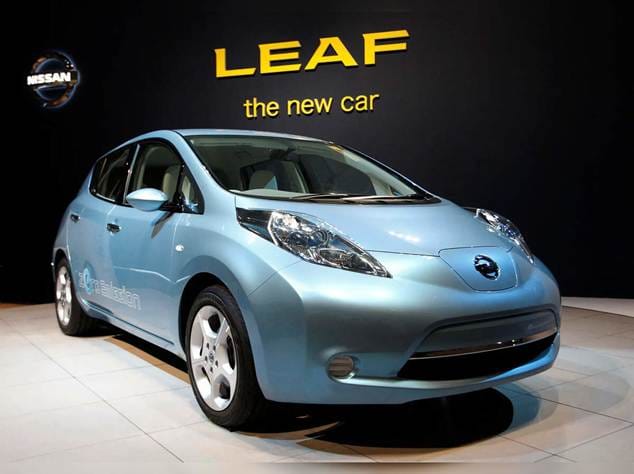
Nissan’s commitment to the Leaf included significant investments in battery manufacturing, charging infrastructure partnerships, and consumer education programs designed to overcome barriers to electric vehicle adoption. The company established battery production facilities in Tennessee and the United Kingdom while partnering with charging network operators to expand public charging availability. By 2020, Nissan had sold over 500,000 Leaf vehicles globally, making it one of the best-selling electric vehicles in history and validating the mass-market potential of electric transportation.
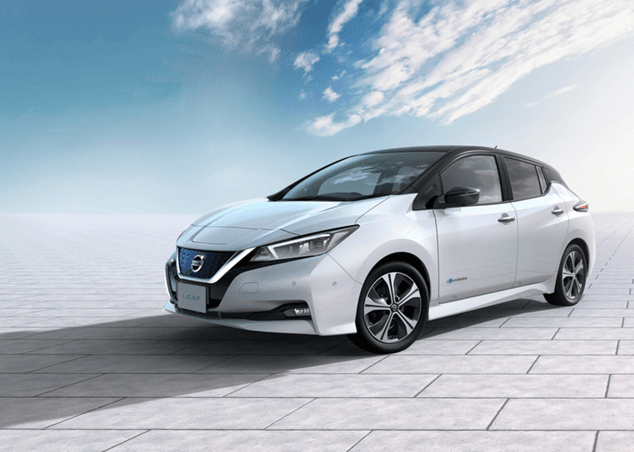
The Leaf’s success demonstrated that electric vehicles could achieve commercial viability beyond the luxury market segment while highlighting the importance of affordable pricing, practical design, and comprehensive support infrastructure. However, early Leaf models also revealed challenges with battery degradation, limited fast-charging capabilities, and range limitations that would influence subsequent electric vehicle development across the industry.
Traditional Automaker Response
The success of Tesla and the Nissan Leaf prompted traditional automakers to accelerate their electric vehicle development programs, leading to a proliferation of new models and technological approaches. General Motors launched the Chevrolet Volt plug-in hybrid in 2010 and the Bolt EV battery electric vehicle in 2016, while BMW introduced the i3 electric city car and i8 plug-in hybrid sports car. Ford developed the Focus Electric, while Volkswagen, Mercedes-Benz, Audi, and other manufacturers announced comprehensive electrification strategies.
However, early efforts by traditional automakers were often characterized by limited production volumes, compliance-oriented approaches, and insufficient marketing support. Many manufacturers appeared to view electric vehicles primarily as necessary responses to regulatory requirements rather than strategic opportunities for growth and differentiation. This approach contrasted sharply with Tesla’s aggressive marketing and continuous innovation, allowing the startup to maintain technological and market leadership despite resource constraints.
Lithium-Ion Battery Cost and Performance Breakthroughs
The period from 2010 to 2020 witnessed dramatic improvements in lithium-ion battery technology that enabled the electric vehicle revolution. Battery pack costs declined from approximately $1,100 per kWh in 2010 to below $140 per kWh by 2020, approaching the threshold at which electric vehicles could achieve cost parity with conventional automobiles. Simultaneously, energy density improvements allowed manufacturers to offer longer ranges without proportional increases in battery weight or vehicle cost.
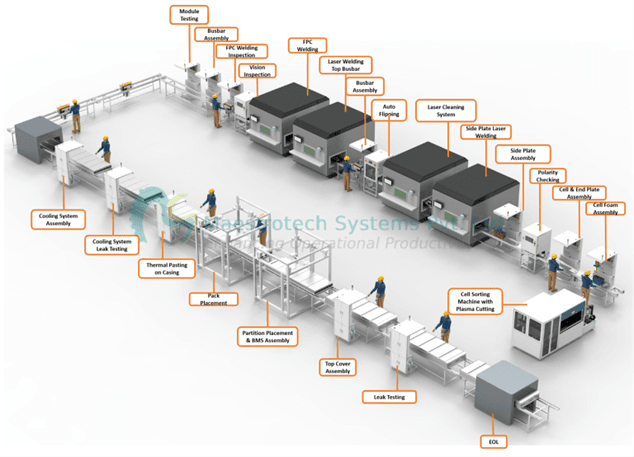
Tesla’s introduction of its 2170 battery cell format and advanced battery management systems demonstrated the potential for continuous improvement in electric vehicle performance and efficiency. The company’s vertical integration approach, including the construction of Gigafactory 1 in Nevada for battery production, showed how dedicated manufacturing facilities could achieve the scale and specialization necessary for competitive battery costs. Other manufacturers began developing their own battery strategies, including partnerships with suppliers like CATL, LG Chem, and Samsung SDI.
The development of different lithium-ion chemistries also provided manufacturers with options optimized for different applications and cost targets. Lithium iron phosphate (LFP) batteries offered improved safety and lower costs at the expense of energy density, while nickel-rich cathode chemistries provided higher performance but at increased cost and complexity. These technology choices allowed manufacturers to tailor their electric vehicles for specific market segments and use cases.
Global Electric Vehicle Adoption (2020–2025)
Explosive EV Market Growth and Regional Leaders
The period from 2020 to 2025 has witnessed unprecedented growth in electric vehicle adoption, with global sales increasing from approximately 3 million units in 2020 to an estimated 22 million units in 2025. This growth represents an increase in market share from approximately 3% of new vehicle sales in 2020 to 25% in 2025, demonstrating the rapid acceleration of electric vehicle adoption worldwide. The transformation has been particularly dramatic in leading markets such as China, Europe, and California, where electric vehicles have achieved even higher market penetration rates.
China, Europe, and the U.S.: Different Paths, Same Direction
China has emerged as the world’s largest electric vehicle market, accounting for approximately 65% of global EV sales in 2025. The Chinese market’s growth has been driven by strong government support, domestic manufacturing capabilities, and consumer acceptance of electric mobility. Chinese manufacturers including BYD, Geely, and NIO have become major global players, challenging traditional automakers and Tesla while driving innovation in battery technology, autonomous driving, and connected vehicle services.
European markets have also shown strong electric vehicle adoption, with Norway leading global penetration rates at over 93% of new vehicle sales in the first half of 2025. Other European countries including Denmark (64%), Netherlands (35%), and Sweden (35%) have achieved significant market shares, supported by favorable government policies, extensive charging infrastructure, and strong consumer environmental consciousness. The European Union’s regulatory framework, including emissions standards and zero-emission vehicle mandates, has provided crucial policy support for this transition.
The United States has experienced more moderate electric vehicle growth compared to China and Europe, with market share reaching approximately 8% in 2025. Despite slower adoption rates, the U.S. market has shown steady growth supported by federal and state incentives, expanding model availability, and improving charging infrastructure. California continues to lead U.S. adoption with over 20% market share, while other states are beginning to show accelerated growth as vehicle options and infrastructure expand.
Emerging markets in Southeast Asia, Latin America, and Africa are beginning to show significant electric vehicle growth potential. Thailand’s EV market share reached 13% in 2024, while Brazil more than doubled its sales to 125,000 units with over 6% market share. These markets are benefiting from Chinese manufacturer expansion, government incentive programs, and declining battery costs that make electric vehicles increasingly competitive with conventional automobiles.
Automaker Strategies, Delays, and Course Corrections
Traditional automakers have dramatically accelerated their electric vehicle commitments, with most major manufacturers announcing comprehensive electrification strategies and substantial investment programs. Volkswagen Group has committed over $100 billion to electric vehicle development, while General Motors announced plans to offer only zero-emission vehicles by 2035. Ford has invested heavily in electric truck development, including the F-150 Lightning, while Mercedes-Benz and BMW have launched comprehensive electric vehicle lineups.
However, many automakers have encountered challenges in meeting their electric vehicle targets, leading to revised timelines and strategies. General Motors reduced its 2024 EV production target from 300,000 to 250,000 units, while Ford delayed several electric vehicle launches due to market conditions and profitability concerns. These adjustments reflect the complex challenges of transitioning manufacturing capacity, developing new supply chains, and managing consumer demand patterns during the industry transformation.
Battery Technology Evolution for Electric Vehicles
Lithium-Ion Advancements and Cost Declines
The evolution of lithium-ion battery technology has been central to the electric vehicle revolution, with dramatic improvements in energy density, cost, and performance over the past decade. Energy density has increased from approximately 100-120 Wh/kg in early commercial batteries to over 270 Wh/kg in modern cells, enabling electric vehicles to achieve ranges exceeding 400 miles while maintaining reasonable battery weights. These improvements have been achieved through advances in cathode materials, electrolyte formulations, and cell design that optimize performance while reducing costs.

Cost reductions have been equally dramatic, with battery pack prices declining from over $1,000 per kWh in 2010 to below $140 per kWh by 2020 and approaching $100 per kWh by 2025. This cost trajectory has brought electric vehicles to the threshold of price parity with conventional automobiles, removing one of the primary barriers to mass adoption. Continued manufacturing scale increases, technological improvements, and supply chain optimization are expected to drive further cost reductions that will make electric vehicles cost-competitive across all market segments.
Next-Generation Solid-State and Alternative Chemistries
Solid-state battery technology represents the next major advancement in electric vehicle energy storage, promising significant improvements in energy density, safety, and charging speed. Solid-state batteries replace liquid electrolytes with solid materials, eliminating fire risks associated with liquid electrolytes while enabling energy densities of 300-500 Wh/kg. These batteries can also support faster charging rates and longer cycle lives, potentially addressing the remaining limitations of current lithium-ion technology.
Several manufacturers including Toyota, QuantumScape, and Solid Power are developing solid-state battery technologies for electric vehicle applications, though commercial availability remains several years in the future. The transition to solid-state technology will require new manufacturing processes, supply chains, and quality control methods that may initially limit production volumes and increase costs. However, the performance advantages of solid-state batteries are expected to justify the development investments and manufacturing challenges.
Alternative battery chemistries are also being developed to address specific applications and cost targets. Sodium-ion batteries offer the potential for lower-cost energy storage using abundant materials, though with reduced energy density compared to lithium-ion technology. Lithium-sulfur and lithium-air batteries promise even higher energy densities but face technical challenges related to cycle life and manufacturing complexity. These diverse technology paths provide options for manufacturers to optimize their electric vehicles for different performance and cost requirements.
Charging Infrastructure and Integration with Renewable Energy
Charging Network Expansion and Fast-Charging Technology
The development of comprehensive charging infrastructure has been crucial to electric vehicle adoption, with global public charging points exceeding 5 million by 2025. This infrastructure includes a mix of Level 1 (120V AC), Level 2 (240V AC), and DC fast charging options that provide different charging speeds and applications. Level 2 charging, which can fully charge most electric vehicles in 4-8 hours, has become the most common public charging option due to its balance of speed, cost, and electrical infrastructure requirements.
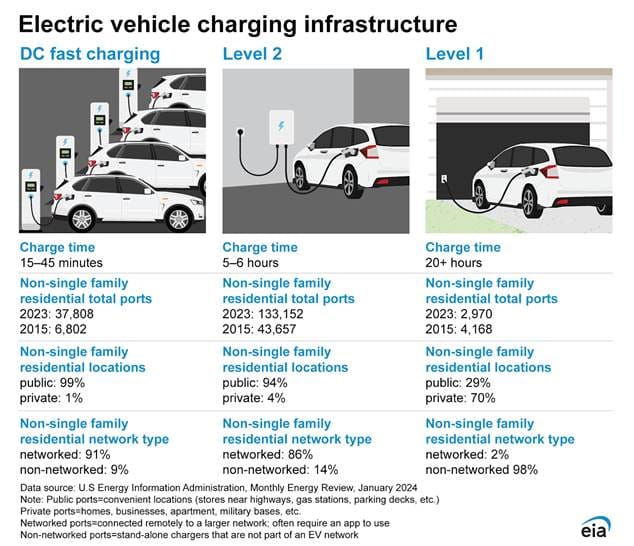
DC fast charging technology has evolved rapidly, with charging speeds increasing from 50 kW in early installations to 150-350 kW in modern ultra-fast chargers. These high-power chargers can add 200+ miles of range in 15-30 minutes, making long-distance electric vehicle travel comparable in convenience to gasoline refueling. The deployment of ultra-fast charging networks by companies including Tesla, Electrify America, IONITY, and others has been essential to addressing range anxiety and enabling electric vehicle adoption beyond urban areas.
Smart Charging, Vehicle-to-Grid, and Renewable Integration
The integration of renewable energy sources with electric vehicle charging infrastructure represents a crucial development for maximizing the environmental benefits of electric transportation. Solar-powered charging stations eliminate grid electricity consumption while providing clean energy for vehicle charging. Wind and other renewable sources are also being integrated with charging infrastructure to create sustainable transportation ecosystems.
Smart charging technologies enable electric vehicles to optimize their charging schedules to take advantage of renewable energy availability and minimize grid stress. Vehicle-to-grid (V2G) capabilities allow electric vehicles to provide energy back to the electrical grid during peak demand periods, creating additional value for EV owners while supporting grid stability. These bidirectional charging capabilities transform electric vehicles from energy consumers to active participants in the electrical system.
Remaining Infrastructure Gaps and Investment Needs
Despite rapid expansion, charging infrastructure development continues to face significant challenges including site acquisition, electrical grid capacity, equipment costs, and standardization. Rural and underserved areas often lack adequate charging infrastructure, creating barriers to electric vehicle adoption in these regions. Apartment dwellers and those without dedicated parking face particular challenges in accessing convenient charging options.
The charging infrastructure industry is projected to grow from $65.3 billion in 2023 to $452.2 billion by 2030, reflecting the massive investment required to support global electric vehicle adoption. This growth will require coordination between private companies, utilities, and government agencies to ensure that charging infrastructure keeps pace with vehicle sales while maintaining reliability and cost-effectiveness. Standardization efforts for charging protocols, payment systems, and network interoperability will be crucial to creating seamless user experiences.
Government Policies, Incentives, and ICE Phase-Out Plans
Global Policy Frameworks Driving EV Adoption
Government policies have played a crucial role in driving electric vehicle adoption through a combination of financial incentives, regulatory mandates, and infrastructure investments. The European Union has implemented comprehensive policies including fleet-wide emissions standards that require automakers to reduce average CO2 emissions to 95g/km by 2021 and 81g/km by 2030. These regulations effectively mandate significant electric vehicle sales to meet compliance requirements.
China has implemented a comprehensive policy framework including purchase subsidies, license plate preferences in major cities, and New Energy Vehicle mandates that require automakers to achieve minimum percentages of electric vehicle sales. The Chinese government has also invested heavily in charging infrastructure and domestic battery manufacturing capabilities to support its electric vehicle industry. These policies have been instrumental in making China the world’s largest electric vehicle market.
Changing Incentive Structures as Costs Fall
Financial incentives for electric vehicle purchases vary widely among countries and regions, reflecting different policy priorities and economic conditions. The United States offers federal tax credits up to $7,500 for qualified electric vehicles, with additional incentives available at state and local levels. However, these incentives are subject to income limits, vehicle price caps, and domestic content requirements that limit their availability.
European countries have implemented diverse incentive structures including purchase grants, tax exemptions, and company car benefits. Norway has achieved the world’s highest electric vehicle adoption rate through comprehensive incentives including exemptions from purchase taxes, reduced tolls, free parking, and access to bus lanes. Other countries including France, Germany, and the United Kingdom have offered significant purchase incentives, though many are being gradually reduced as electric vehicle costs decline.
The evolution of government incentives reflects the changing economics of electric vehicle adoption. As battery costs decline and electric vehicles approach price parity with conventional automobiles, direct purchase incentives are being reduced or eliminated in favor of infrastructure investment and regulatory mandates. This transition reflects the maturation of the electric vehicle market and the shift from early adopter incentives to mass market support.
ICE Phase-Out Timelines and Regulatory Mandates
Many governments have announced plans to phase out internal combustion engine vehicle sales entirely, creating long-term certainty for manufacturers and consumers. The United Kingdom plans to ban new gasoline and diesel vehicle sales by 2030, while the European Union has set a 2035 target. California and several other U.S. states have adopted similar timelines, creating a large market that will require zero-emission vehicles.
These phase-out announcements have been crucial in driving automaker investment in electric vehicle development and manufacturing capacity. Manufacturers must plan their product development and production strategies around these regulatory timelines, creating strong incentives for comprehensive electrification programs. The certainty provided by these long-term mandates has been essential to justifying the massive investments required for electric vehicle development.
Environmental Impact and Sustainability of Electric Vehicles
Lifecycle Emissions and Carbon Parity
The environmental benefits of electric vehicles depend significantly on the sources of electricity used for charging and the manufacturing processes for vehicles and batteries. Research consistently shows that electric vehicles produce lower lifecycle greenhouse gas emissions than comparable conventional vehicles, even when accounting for electricity generation and battery manufacturing. The advantage varies by region, with areas using renewable electricity showing the greatest benefits and coal-dependent regions showing smaller but still significant advantages.
Studies indicate that electric vehicles typically achieve “carbon parity” with conventional vehicles within 15,000-50,000 miles of driving, depending on the local electricity grid composition. In regions with clean electricity grids, this breakeven point may occur within six months of ownership, while coal-heavy grids may require up to five years. As electricity grids continue to incorporate more renewable energy sources, the environmental advantages of electric vehicles will increase further.
The manufacturing phase of electric vehicles, particularly battery production, generates higher initial carbon emissions than conventional vehicle production. However, these higher manufacturing emissions are offset by the zero tailpipe emissions and higher efficiency of electric vehicles during their operational lifetime. Advanced battery recycling technologies being developed will further reduce the environmental impact of electric vehicle manufacturing by recovering valuable materials for reuse.
Resource Use, Battery Recycling, and Second-Life Applications
Electric vehicle batteries require significant quantities of lithium, cobalt, nickel, and other materials whose extraction can have environmental and social impacts. Cobalt mining, in particular, has been associated with environmental degradation and human rights concerns in major producing regions. The electric vehicle industry has responded by developing cobalt-free or low-cobalt battery chemistries and implementing responsible sourcing programs.
Battery recycling is becoming increasingly important as early electric vehicles reach end-of-life and battery waste volumes increase. Current recycling processes can recover 95% of lithium, cobalt, and nickel from spent batteries, though commercial-scale recycling capacity remains limited. The development of efficient recycling systems will be crucial for managing the environmental impact of large-scale electric vehicle adoption.
Second-life applications for electric vehicle batteries provide additional environmental benefits by extending battery useful life after automotive applications. Batteries that are no longer suitable for vehicle use due to capacity degradation can still provide 70-80% of their original capacity for stationary energy storage applications. These second-life batteries can support renewable energy integration and grid stabilization services for an additional 10-15 years before final recycling.
Current Challenges and Barriers to EV Adoption
Cost and Affordability for Mainstream Buyers
Despite significant cost reductions, electric vehicles remain more expensive than comparable conventional automobiles in most market segments. The average electric vehicle in the United States costs approximately $59,000 compared to $48,000 for gasoline vehicles, with only 3% of electric vehicles priced below $37,000. This price premium continues to limit electric vehicle adoption among middle and lower-income consumers, despite lower operating costs.
The high cost of electric vehicles reflects several factors including expensive battery technology, lower production volumes compared to conventional vehicles, and the need to amortize substantial development investments. While operating costs are significantly lower for electric vehicles due to reduced fuel and maintenance expenses, the higher upfront costs remain a significant barrier for many consumers. Achieving price parity with conventional vehicles will require continued battery cost reductions and increased manufacturing scale.
Range Anxiety, Charging Access, and User Experience
Range anxiety—the fear of running out of battery charge before reaching a charging station—remains one of the most significant barriers to electric vehicle adoption. Although modern electric vehicles offer ranges of 200-400 miles per charge, many consumers still express concerns about the adequacy of this range for their driving needs. These concerns are often amplified by perceptions of limited charging infrastructure availability and longer charging times compared to gasoline refueling.
Charging infrastructure availability and reliability continue to present challenges, particularly for consumers without access to home charging. Apartment dwellers and those without dedicated parking spaces face particular difficulties in accessing convenient charging options. Public charging networks, while rapidly expanding, still experience issues with equipment reliability, payment system complexity, and inconsistent user experiences.
Charging times remain longer than gasoline refueling, even with fast-charging technology. While DC fast charging can add significant range in 20-30 minutes, this is still considerably longer than the 5-minute refueling time for conventional vehicles. Improvements in charging speed and the deployment of ultra-fast charging networks are gradually addressing these concerns, but charging time remains a consideration for many potential buyers.
Grid Integration and Infrastructure Constraints
The large-scale adoption of electric vehicles presents significant challenges for electrical grid infrastructure, particularly in terms of peak demand management and distribution capacity. If all electric vehicles charge simultaneously during peak periods, the additional electrical demand could strain grid capacity and require substantial infrastructure investments. Smart charging technologies and time-of-use pricing are being developed to encourage off-peak charging and minimize grid impacts.
The integration of electric vehicles with renewable energy sources presents both opportunities and challenges. While electric vehicles can provide energy storage and grid balancing services, their charging patterns must be coordinated with renewable energy availability to maximize environmental benefits. Vehicle-to-grid technologies show promise for enabling electric vehicles to support grid stability, but these systems require sophisticated control systems and regulatory frameworks.
Future Outlook: Electric Vehicles, Autonomy, and the Next Revolution
Autonomous and Connected EVs
The convergence of electric vehicles with autonomous driving and connected vehicle technologies promises to transform transportation systems beyond simple electrification. Electric vehicles provide ideal platforms for autonomous driving systems due to their sophisticated electronic architectures and precise motor control capabilities. The combination of electric propulsion, autonomous operation, and connectivity could enable new transportation models including robotaxis and shared mobility services.
Connected electric vehicles can optimize their energy consumption and charging schedules based on real-time data about traffic conditions, electricity prices, and grid demand. These capabilities enable more efficient transportation systems while reducing environmental impacts and operating costs. The integration of artificial intelligence and machine learning technologies with electric vehicles will continue to expand their capabilities and efficiency.
Advanced Materials and Manufacturing
Next-generation electric vehicles will benefit from advances in materials science including lightweight composites, advanced metals, and new manufacturing processes. These innovations will reduce vehicle weight while maintaining safety and durability, enabling longer ranges and improved efficiency. Advanced manufacturing techniques including 3D printing and automated assembly will also reduce production costs and enable more customized vehicle designs.
The development of new battery technologies beyond lithium-ion, including solid-state, lithium-sulfur, and even more advanced chemistries, will continue to improve electric vehicle performance and reduce costs. These technologies promise energy densities approaching 500+ Wh/kg with improved safety and faster charging capabilities. However, commercial viability of these advanced technologies remains several years away.
Market Projections and Long-Term Industry Transformation
Industry analysts project that electric vehicles will represent 50-70% of global new vehicle sales by 2040, fundamentally transforming the automotive industry. This transition will require massive changes in manufacturing capacity, supply chains, and workforce skills as automakers shift from mechanical to electronic technologies. The transformation will also create new opportunities in battery production, charging infrastructure, and energy management services.
The electric vehicle transition is expected to drive significant job creation in new industries while requiring workforce retraining for traditional automotive manufacturing. Battery manufacturing, in particular, represents a major new industry that will require substantial investment and skilled workers. The development of domestic battery supply chains has become a strategic priority for many countries seeking to participate in the electric vehicle economy.
If you’d like to explore more topics or to access the required quiz for purchasing your raffle ticket, visit our main Quiz & Studies page.
Quiz
Each study material comes with a short practice quiz at the end. These quizzes are completely optional and designed to help you review what you’ve learned and prepare for the Big Quiz.
💡 Use them to test your knowledge in a fun, low-pressure way – no email or name required.
We’re always improving and updating our content. If you spot anything that seems off, don’t hesitate to reach out – your feedback truly matters to us!
👉 Ready to test yourself? Start the Practice Quiz below:
#1. What year did Ányos Jedlik create the first electric motor, marking the beginning of electric vehicle development?
#2. What was the primary reason for the decline of electric vehicles around 1910-1920?
#3. Who founded Tesla Motors in July 2003?
#4. Which vehicle is considered the first mass-market electric vehicle of the modern era, launched in 2010?
#5. What percentage of global new vehicle sales did electric vehicles achieve in 2025?
Results

Excellent! You’ve got the EV story down—from Jedlik’s motor to mass adoption. Keep charging ahead—your knowledge is road-ready.

So close! Review the EV timeline (early pioneers, Model T decline, Tesla & modern batteries) and give it another go. You’ll be in the fast lane next try.