
The Secret of Secrets by Dan Brown
Robert Langdon’s Return and the Mystery of Consciousness: The Secret of Secrets
Publication Details and Global Release
Dan Brown’s The Secret of Secrets, published September 9, 2025, marks the triumphant return of Harvard symbologist Robert Langdon after an eight-year hiatus, representing both a continuation of the beloved thriller series that began with Angels & Demons in 2000 and a bold evolution into new scientific and philosophical territories. This sixth installment in the Langdon series finds our erudite protagonist navigating the mysterious cobblestone streets and Gothic architecture of Prague while pursuing his greatest personal stakes yet—the rescue of Katherine Solomon, a brilliant noetic scientist who has become both his professional colleague and romantic partner.
Why This Novel Matters in the Langdon Series
The novel weaves together Brown’s signature elements of historical conspiracy, cutting-edge science, and religious symbolism while introducing groundbreaking themes of consciousness research, Jewish mythology, and the age-old question of what defines human existence. Published simultaneously across seventeen territories with an initial print run of 1.5 million copies, The Secret of Secrets has already been optioned by Netflix for a new television series, demonstrating the enduring global appetite for Brown’s particular blend of intellectual thriller and adventure narrative that has sold over 250 million books worldwide and established him as one of the most influential authors of the 21st century.

The Return of Robert Langdon After Eight Years
From Angels & Demons to The Secret of Secrets
Daniel Gerhard Brown, born June 22, 1964, in Exeter, New Hampshire, emerged from humble New England roots to become one of the most recognizable and controversial authors of the modern era. The son of a mathematics teacher and a church organist, Brown’s upbringing in a household that balanced scientific inquiry with religious tradition would later provide the foundational tension that drives virtually all of his fiction. His early exposure to both the precision of mathematics and the mystery of faith created the intellectual framework that would eventually produce some of the most widely read conspiracy thrillers in publishing history.
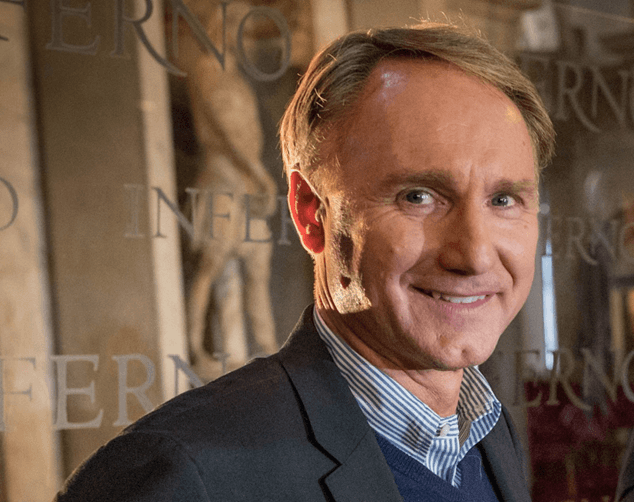
Brown’s path to literary stardom was neither direct nor guaranteed. After graduating from Amherst College in 1986 with a degree in English and Spanish, he spent several years as a struggling musician and songwriter in Los Angeles before returning to New Hampshire to teach at Phillips Exeter Academy. It was during his teaching years that Brown began writing, initially focusing on children’s books and humor before finding his voice in the techno-thriller genre with Digital Fortress in 1998, a novel that explored themes of government surveillance and cryptography that would become recurring motifs in his later work.
The genesis of Robert Langdon came with Angels & Demons in 2000, a novel that introduced readers to the Harvard professor of symbology whose expertise in art, history, and religious iconography would make him the perfect guide through Brown’s labyrinthine plots. While Angels & Demons received modest commercial success, it was The Da Vinci Code in 2003 that transformed Brown from a middle-tier thriller writer into a global literary phenomenon, selling over 80 million copies worldwide and spawning a multimedia franchise that included blockbuster films, documentaries, and countless imitators.
How Langdon Evolves in This Novel
The publication of The Secret of Secrets in September 2025 ended the longest gap between Robert Langdon novels since Brown first introduced the character. Following Origin in 2017, Brown’s silence sparked widespread speculation among fans and critics about whether the series had concluded or if the author was simply taking time to craft something extraordinary. In interviews preceding the new book’s release, Brown acknowledged that The Secret of Secrets represented his “most intricately plotted and ambitious novel to date,” suggesting that the extended writing period was necessary to achieve the level of complexity he envisioned.

The anticipation surrounding The Secret of Secrets was unprecedented even by Dan Brown standards. Pre-orders exceeded those of Origin, while international publishers coordinated the largest simultaneous global release in Brown’s career. The decision by Netflix to announce a television adaptation before the book’s publication demonstrated the entertainment industry’s confidence in both Brown’s continued relevance and the story’s adaptation potential, marking a shift from the film franchise that had previously brought Robert Langdon to screens via Tom Hanks’s portrayal.
Prague as the Heart of The Secret of Secrets
Gothic Architecture, Hidden History, and Jewish Mysticism
Prague’s selection as the primary setting for The Secret of Secrets demonstrates Brown’s continued mastery at choosing locations that serve as more than mere backdrops—they become integral to the story’s themes and atmosphere. Known as the “City of a Hundred Spires,” Prague offers Brown an ideal confluence of Gothic architecture, Jewish mysticism, medieval history, and Cold War intrigue that perfectly complements the novel’s exploration of consciousness research and ancient folklore.

Why Prague Is the Perfect Setting for a Consciousness Thriller
The Czech capital’s unique position at the crossroads of Western and Eastern Europe has made it a natural setting for stories of conspiracy and hidden knowledge. From the Holy Roman Empire through the Habsburg dynasty, from Nazi occupation to Communist rule, Prague has been shaped by successive waves of political and cultural transformation that have left layers of secret history beneath its cobblestone streets. Brown exploits this historical palimpsest brilliantly, using Prague’s underground tunnels, hidden passages, and forgotten chambers as both literal and metaphorical representations of the unconscious mind that Katherine Solomon seeks to understand.

The city’s Jewish Quarter, home to one of Europe’s oldest Jewish communities and the birthplace of the Golem legend, provides Brown with rich mythological material that connects ancient folklore with modern consciousness research. The juxtaposition of Prague’s scientific institutes with its medieval synagogues and mystical traditions creates the perfect environment for exploring the novel’s central question: where does consciousness reside, and what happens to it after death?
The Golem of Prague – Myth, Identity, and Fear
Central to The Secret of Secrets’ Prague setting is the legend of the Golem, the clay figure brought to life by Rabbi Judah Loew ben Bezalel in the 16th century to protect the city’s Jewish community from persecution. In Brown’s hands, this ancient tale becomes both a literal threat—in the form of the masked antagonist who stalks Langdon through Prague’s streets—and a metaphorical exploration of what it means to be conscious, to be alive, to be human.
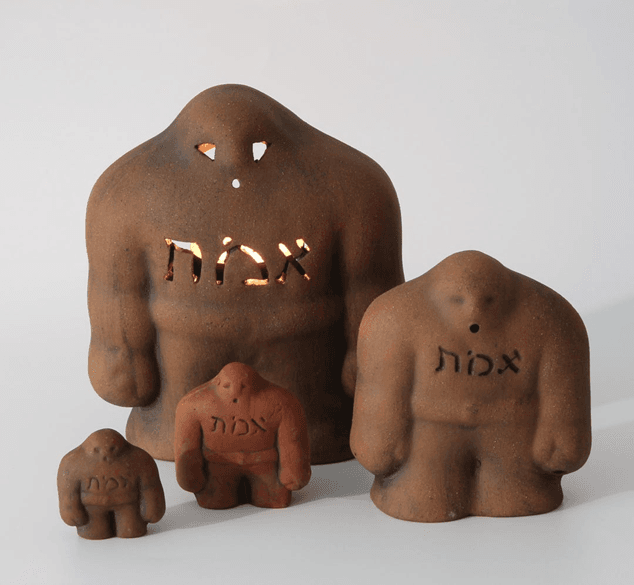
The Golem myth provides Brown with the perfect vehicle for examining consciousness research from both scientific and mystical perspectives. Just as Rabbi Loew supposedly animated clay through divine knowledge, Katherine Solomon’s research suggests that consciousness might be something that can be transferred, manipulated, or even weaponized. The parallel between creating artificial life through ancient mysticism and modern attempts to understand or control consciousness gives the novel its philosophical foundation.

Brown’s antagonist, who adopts the Golem’s appearance while pursuing his own mysterious agenda, embodies the novel’s central tension between scientific rationalism and mystical belief. The clay-covered figure stalking Langdon through Prague represents not just a physical threat but an existential question: if consciousness can be studied scientifically, what separates us from the artificial beings we might create?
Katherine Solomon and the Science of Consciousness
Noetic Science and Human Consciousness Explained
Katherine Solomon’s return as both Langdon’s romantic interest and the novel’s scientific catalyst represents one of Brown’s most sophisticated attempts to ground his thriller elements in legitimate scientific inquiry. First introduced in The Lost Symbol as a researcher exploring the intersection of science and spirituality, Katherine has evolved into a leading expert in noetics—the study of consciousness and its potential non-local properties.
Brown’s research into consciousness studies for The Secret of Secrets reflects contemporary scientific interest in understanding how awareness, perception, and subjective experience emerge from neural activity. Katherine’s explosive manuscript, which drives much of the novel’s plot, apparently contains evidence that consciousness extends beyond individual brains to connect with some form of universal awareness—a concept that has profound implications for questions of identity, death, and human potential.
The novel’s exploration of consciousness research draws from real scientific investigations into phenomena such as remote viewing, telepathy, and near-death experiences. While mainstream science remains skeptical of many claims in these areas, the CIA’s historical interest in psychic research programs like Stargate provides Brown with a factual foundation for his fictional Project Threshold, the covert research facility that becomes central to the novel’s conspiracy.
Project Threshold and the Weaponization of Consciousness
The revelation of Project Threshold, a secret CIA-funded consciousness research facility operating beneath Prague, represents Brown’s most ambitious attempt to connect cutting-edge neuroscience with intelligence agency operations. Drawing inspiration from documented programs like MKULTRA and the Stargate Project, Brown imagines a contemporary black operations facility where scientists attempt to weaponize human consciousness for espionage and warfare applications.
Project Threshold serves multiple narrative functions in The Secret of Secrets. On one level, it provides the conspiracy framework that drives the thriller plot, with Katherine’s research threatening to expose unethical human experimentation. On a deeper level, the facility represents the moral questions surrounding consciousness research: if we can understand and manipulate awareness itself, what ethical boundaries should guide such investigations?
The character of Dr. Brigita Gessner, the neuroscientist secretly working for the CIA’s Everett Finch, embodies these ethical dilemmas. Her genuine scientific curiosity conflicts with the military applications of her research, creating internal tension that reflects broader questions about the responsibility of scientists whose work might be used for harmful purposes.
Sasha Vesna and the Question of Human Identity
Consciousness, Epilepsy, and Altered States
One of The Secret of Secrets’ most compelling mysteries centers on Sasha Vesna, a Russian laboratory assistant working in Prague whose epileptic condition may be connected to unusual consciousness phenomena. Brown’s portrayal of Sasha demonstrates his growing sophistication in creating characters who exist at the intersection of scientific possibility and human tragedy.
Sasha’s role in the novel extends far beyond that of a simple victim or research subject. The character serves as a living embodiment of the questions Katherine Solomon’s research attempts to answer: if consciousness can be altered, transferred, or enhanced, what happens to personal identity? The revelation that Sasha may be connected to the mysterious figure known as “The Golem” adds layers of complexity to these philosophical questions while providing genuine emotional stakes for the thriller elements.
The Golem’s True Identity (No Spoilers)
The masked antagonist who appears throughout the novel as “The Golem” represents Brown’s most psychologically complex villain since the Albino monk in The Da Vinci Code. Rather than a simple megalomaniac or religious fanatic, The Golem is driven by a desire to protect Sasha and expose the unethical activities at Project Threshold, making this character simultaneously threatening and sympathetic.
The revelation of The Golem’s true identity—which reviewers have described as genuinely shocking—apparently challenges readers’ assumptions about consciousness, identity, and what makes us human. Brown’s ability to create a character who embodies both ancient mythology and modern scientific speculation demonstrates his evolution as a storyteller capable of balancing intellectual complexity with emotional resonance.
Themes in The Secret of Secrets
Death, Consciousness, and What Makes Us Human
The Secret of Secrets marks Brown’s most ambitious exploration of fundamental questions about human existence, mortality, and the nature of consciousness itself. Unlike previous Langdon novels that focused primarily on historical conspiracies or religious mysteries, this latest installment delves into scientific and philosophical territory that directly confronts readers’ most basic assumptions about life and death.
Katherine Solomon’s research into consciousness apparently suggests that human awareness is not confined to individual brains but connected to some form of universal consciousness that transcends physical death. This concept, while scientifically controversial, provides Brown with rich material for exploring how such discoveries might challenge religious beliefs, scientific materialism, and personal identity simultaneously.
The novel’s treatment of death and consciousness appears to avoid simple answers, instead presenting multiple perspectives on these profound questions while maintaining the thriller pacing that defines the Langdon series. The integration of Jewish mysticism, cutting-edge neuroscience, and conspiracy thriller elements creates a unique narrative approach to exploring humanity’s most enduring mysteries.
Science vs. Myth in Dan Brown’s Work
A recurring theme in The Secret of Secrets involves the transformation of profound scientific discoveries into tools for espionage and control. Project Threshold represents not just unethical human experimentation but the broader question of how consciousness research might be corrupted by intelligence agencies seeking new forms of surveillance and manipulation.
Brown’s exploration of weaponized consciousness research reflects real concerns about the militarization of neuroscience and psychology. The novel’s portrayal of CIA involvement in consciousness research draws from historical programs while extrapolating into contemporary possibilities that feel both scientifically plausible and morally troubling.
The character of Everett Finch, director of the venture capital firm In-Q-Tel (which actually exists as the CIA’s investment arm), embodies the novel’s critique of how scientific wonder can be perverted by national security concerns. His transformation of Katherine’s pure research into a tool for intelligence gathering represents the central moral conflict that drives the thriller plot.
Critical Reception of The Secret of Secrets
Reviews from Critics and Readers
The Secret of Secrets has received what reviewers describe as “mixed” critical reception, with praise for Brown’s research and plotting balanced against familiar criticisms of his prose style and character development. The New York Times review praised the novel as “a wistful testament to the power of the printed word” while noting that it “does not quite match the cultural impact of The Da Vinci Code.”
Critics have particularly noted Brown’s more nuanced approach to villainy in this novel, with antagonists driven by genuine beliefs about national security and scientific progress rather than simple megalomania. The Washington Post reviewer highlighted the character of Sasha/The Golem as “Brown’s most sophisticated exploration of identity, consciousness, and what makes us human.”
However, some critics have found the 688-page length excessive, with Slate noting that certain technical explanations of consciousness research occasionally slow the thriller pacing. The Associated Press described the novel as maintaining Brown’s signature blend of “suspense, philosophical themes, travelogues, codes, puzzles, and secret societies” while acknowledging that the formula feels less revolutionary than it did two decades ago.
Netflix Adaptation and Future of the Langdon Series
The announcement of a Netflix television adaptation before the novel’s publication represents a significant shift in how Brown’s work is being positioned for multimedia success. Unlike the film trilogy that brought Robert Langdon to screens through Tom Hanks’s portrayal, the Netflix series approach allows for the expanded storytelling that Brown’s complex plots require.
Showrunner Carlton Cuse, known for his work on Lost, Bates Motel, and The Strain, brings experience with mystery-driven narratives and complex mythology that seems well-suited to Brown’s storytelling style. The decision to develop The Secret of Secrets for television rather than film reflects the current entertainment landscape’s preference for serialized storytelling that can explore character development and thematic complexity over multiple episodes.
The casting of Robert Langdon for the Netflix series has generated significant speculation among fans, with many hoping for an actor who can embody both the character’s intellectual authority and physical capability. The series’ success or failure may determine whether Brown’s future novels are developed primarily for streaming platforms rather than traditional film studios.
Dan Brown’s Evolution as a Storyteller
Maturity in Theme and Character
The Secret of Secrets demonstrates Brown’s growth as a novelist willing to tackle more complex philosophical and scientific territory than his earlier works. While maintaining the thriller pacing and conspiracy elements that define his style, the novel shows greater sophistication in character development and thematic exploration than previous installments in the series.
The romantic relationship between Langdon and Katherine Solomon, handled with what reviewers describe as appropriate restraint, adds emotional stakes to the thriller plot without overwhelming the intellectual content. Brown’s ability to balance personal relationships with global conspiracies shows his maturation as a storyteller capable of appealing to both thriller fans and readers seeking more substantial content.
The novel’s integration of consciousness research with ancient mythology represents Brown’s most successful attempt to make cutting-edge science accessible to general audiences. His ability to explain complex neuroscientific concepts through narrative rather than exposition demonstrates improved technique in handling the educational elements that distinguish his work from generic thrillers.
Is This His Most Ambitious Novel Yet?
Writing a follow-up to a global phenomenon like The Da Vinci Code presents unique challenges that Brown has navigated with varying degrees of success throughout the Langdon series. The Secret of Secrets appears to represent his most confident attempt to move beyond simply recreating his earlier success while maintaining the elements that readers expect from a Robert Langdon novel.
The eight-year gap between Origin and The Secret of Secrets allowed Brown to step back from the pressure of following up his biggest success and focus on crafting a story that satisfied his own artistic ambitions. The result appears to be a novel that feels both familiar to longtime fans and fresh enough to attract new readers who may have missed earlier installments.
The decision to explore consciousness research rather than returning to religious or historical conspiracies demonstrates Brown’s willingness to expand his thematic range while maintaining the intellectual curiosity that drives his best work. Whether this evolution satisfies readers who prefer the religious mysteries of his earlier novels remains to be seen as the book finds its audience.
What This Means for Dan Brown’s Future Novels
Consciousness, AI, and Modern Humanity
With six novels spanning 25 years, the Robert Langdon series has established itself as one of the most successful thriller franchises in publishing history. The Secret of Secrets’ exploration of consciousness research positions the series to remain relevant as neuroscience and artificial intelligence become increasingly prominent in popular culture.
Brown’s influence on the thriller genre extends beyond his own commercial success to the countless imitators who have adopted his formula of combining historical mysteries with contemporary conspiracies. The Secret of Secrets’ scientific focus may inspire similar evolution in the academic thriller subgenre that Brown essentially created with The Da Vinci Code.
The series’ global reach—published in 56 languages with over 250 million copies sold—has made Robert Langdon one of the most recognizable fictional characters in contemporary literature. The character’s evolution from art history professor to consciousness researcher demonstrates Brown’s ability to adapt his creation to explore new intellectual territories while maintaining core characteristics that define Langdon’s appeal.
The Enduring Power of Dan Brown’s Mysteries
The Secret of Secrets’ exploration of consciousness research positions the Langdon series closer to science fiction than Brown’s previous novels, which focused primarily on historical and religious mysteries. This evolution reflects broader cultural interest in neuroscience, artificial intelligence, and questions about the nature of human consciousness that were less prominent when The Da Vinci Code appeared in 2003.
Brown’s willingness to engage with cutting-edge scientific speculation while maintaining his thriller framework demonstrates the flexibility of his storytelling approach. The novel’s success or failure may determine whether future Langdon novels continue exploring scientific frontiers or return to the historical and religious territories that established the series’ reputation.
The integration of Jewish mythology with consciousness research creates a template for future novels that might explore other cultural traditions through the lens of contemporary science. This approach allows Brown to maintain his formula of ancient wisdom revealed through modern investigation while expanding into new cultural and scientific territories.
Conclusion – Why The Secret of Secrets Resonates Today
The Secret of Secrets succeeds as both entertainment and intellectual exploration, demonstrating that Dan Brown’s particular blend of conspiracy thriller and educational content continues to find eager audiences two decades after The Da Vinci Code transformed the publishing landscape. The novel’s exploration of consciousness research addresses fundamental questions about human nature and mortality that transcend the thriller genre, while its Prague setting and Golem mythology provide visual and cultural richness that enhances the reading experience.
Brown’s ability to make complex scientific concepts accessible through narrative rather than exposition represents his greatest strength as a popular novelist. His integration of consciousness research with ancient folklore creates a uniquely compelling framework for exploring questions that occupy both scientists and philosophers, making sophisticated ideas available to readers who might not otherwise encounter them.
The eight-year gap between Langdon novels appears to have allowed Brown to craft his most ambitious and intellectually satisfying work since The Da Vinci Code. Whether The Secret of Secrets achieves the cultural impact of that breakthrough novel remains to be seen, but its exploration of consciousness, identity, and human potential positions it to resonate with contemporary readers grappling with questions about artificial intelligence, virtual reality, and the nature of human awareness in an increasingly digital world.
As Netflix prepares to bring this latest adventure to streaming audiences worldwide, The Secret of Secrets stands as proof that Robert Langdon still has mysteries worth solving and readers still hunger for stories that challenge their assumptions while providing thrilling entertainment. In an era of information overload and shortened attention spans, Brown’s ability to create page-turning narratives that also educate and provoke thought remains a rare and valuable gift to popular culture.
The secret of Dan Brown’s secrets may lie not in any particular conspiracy or hidden knowledge, but in his understanding that readers crave stories that make them feel both entertained and enlightened—that the greatest mysteries are not puzzles to be solved but questions that expand our understanding of what it means to be human.
If you’d like to explore more topics or to access the required quiz for purchasing your raffle ticket, visit our main Quiz & Studies page.
Quiz
Each study material comes with a short practice quiz at the end. These quizzes are completely optional and designed to help you review what you’ve learned and prepare for the Big Quiz.
💡 Use them to test your knowledge in a fun, low-pressure way – no email or name required.
We’re always improving and updating our content. If you spot anything that seems off, don’t hesitate to reach out – your feedback truly matters to us!
👉 Ready to test yourself? Start the Practice Quiz below:
#1. How many years passed between the publication of Origin and The Secret of Secrets?
#2. In which city is The Secret of Secrets primarily set?
#3. What field of science does Katherine Solomon specialize in?
#4. What mythological figure from Jewish folklore features prominently in the novel?
#5. Who is Katherine Solomon in relation to Robert Langdon in this novel?
Results

Excellent work — you’ve cracked The Secret of Secrets! Your knowledge of Langdon’s latest adventure proves you’re a true codebreaker, you’re one step closer to the next great WinJourney experience.

Almost there, seeker of secrets! You missed a few answers, but no worries — even Robert Langdon needed a few tries to solve a mystery. Review the study, retake the quiz anytime, and uncover The Secret of Secrets in full.