
Take back control of your body and mind. Learn the three pillars — breathing, cold, commitment — and see how you can influence stress, inflammation, and focus. Science-backed, record-tested, practical for everyday life. Ready to dive in? ❄️
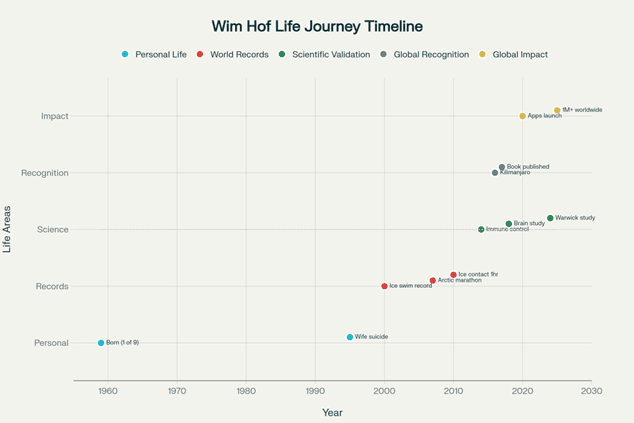
Wim Hof, known worldwide as “The Iceman,” has transformed from a grieving Dutch father into one of the most extraordinary human beings ever studied by science, demonstrating abilities that have forced researchers to completely reconsider the limits of human physiology and the power of the mind over the body. Born April 20, 1959, in Sittard, Netherlands, Hof has set 26 world records for cold endurance, developed a method practiced by over one million people globally, and become the subject of groundbreaking scientific research that validates his claims about voluntary control over the autonomic nervous system and immune response. His technique, known as the Wim Hof Method, combines specific breathing exercises with gradual cold exposure and mental commitment to achieve what was previously thought impossible: conscious influence over normally automatic bodily functions including inflammation, stress response, and pain perception. Through decades of pushing his body to extremes—from swimming 66 meters under ice to climbing Mount Everest in shorts—Hof has not only shattered conventional understanding of human limitations but has also provided practical tools that millions use to improve their health, reduce stress, and tap into their own extraordinary potential. His journey from personal tragedy to global phenomenon represents one of the most compelling stories of human resilience and the untapped capabilities that lie dormant within us all.
Chapter 1: The Making of the Iceman—From Tragedy to Transcendence
Early Life and Family Background
Wim Hof was born into a large Catholic family in Sittard, a small city in the southern Netherlands province of Limburg, as one of nine children. His upbringing in this bustling household would later influence his understanding of community, resilience, and the importance of supporting others through difficult challenges. The rural Dutch environment of his childhood, with its cold winters and emphasis on physical toughness, provided an early introduction to the relationship between climate and human endurance that would later define his life’s work.
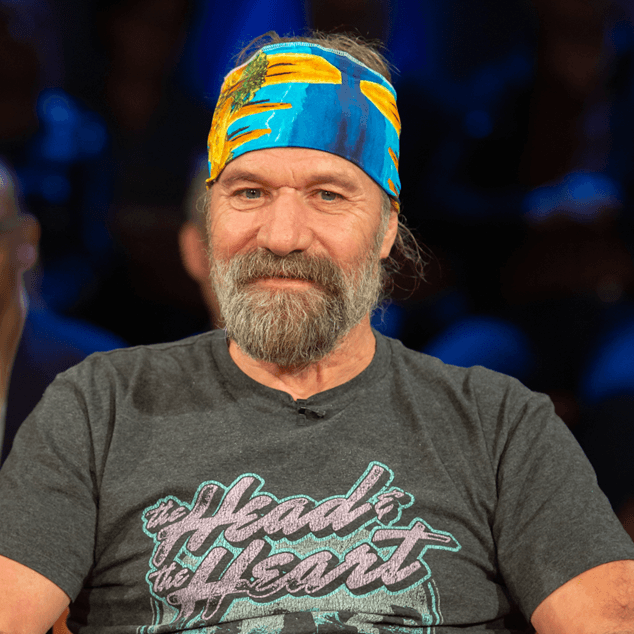
As a young man, Hof showed no particular signs of the extraordinary abilities that would later make him famous. He worked various jobs, married, and began raising a family in what appeared to be a conventional Dutch life. However, beneath this ordinary exterior lay an innate curiosity about human potential and a willingness to experiment with physical and mental boundaries that would eventually set him apart from his peers.
The seeds of his future method may have been planted during childhood encounters with cold water and winter weather, but it was not until much later that Hof would begin to understand the profound implications of deliberate cold exposure combined with specific breathing techniques. His early life serves as a reminder that extraordinary potential can emerge from the most ordinary circumstances when combined with the right catalyst for transformation.
The Turning Point: Personal Tragedy and the Search for Meaning
The event that fundamentally changed Wim Hof’s life occurred in 1995 when his wife, Olaya, committed suicide, leaving him alone to raise their four young children. This devastating loss could have destroyed many people, but for Hof, it became the catalyst for a profound exploration of human consciousness, pain management, and the relationship between mental and physical resilience. Unable to bear the emotional pain through conventional means, he began seeking alternative approaches to processing grief and trauma.
It was during this period of intense suffering that Hof first discovered the power of cold exposure as a tool for mental clarity and emotional regulation. Walking through a park in Amsterdam, he felt drawn to jump into a frozen pond—an action that might have seemed reckless but which provided him with his first glimpse of the cold’s ability to create focus, presence, and relief from psychological pain. This spontaneous encounter with ice-cold water marked the beginning of his systematic exploration of cold therapy.
The loss of his wife also instilled in Hof a deep sense of responsibility to his children and a determination to develop practical tools that could help others navigate life’s most challenging moments. His personal tragedy became the foundation for a mission to share methods for building resilience, managing stress, and accessing inner strength that he believes everyone possesses. This transformation of personal pain into universal benefit represents one of the most compelling aspects of Hof’s story and helps explain the emotional resonance his method has for millions of practitioners worldwide.
Early Experiments with Cold and Breath
Following his wife’s death, Hof began systematically experimenting with cold exposure, starting with cold showers and gradually progressing to ice baths and winter swimming. What began as a personal coping mechanism evolved into a sophisticated understanding of how controlled stress through cold exposure could strengthen both body and mind. He discovered that combining specific breathing techniques with cold exposure produced effects far greater than either practice alone.
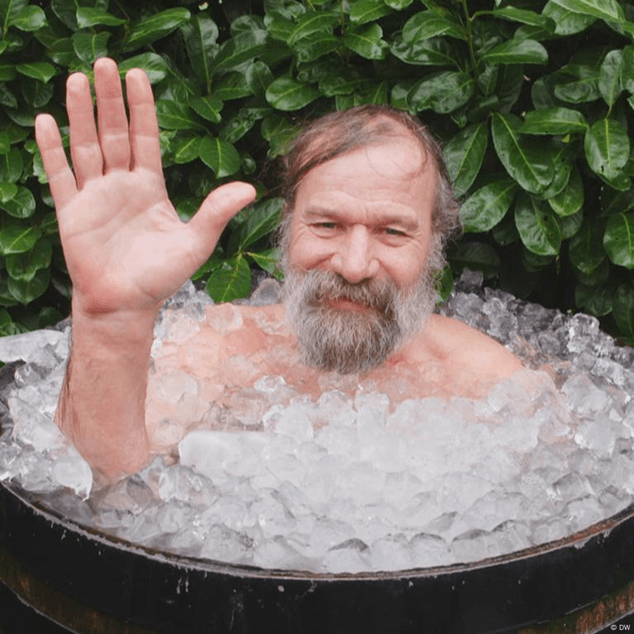
Hof’s early breathing experiments drew inspiration from various sources, including pranayama yoga techniques, Tibetan tummo meditation, and his own intuitive discoveries about hyperventilation and breath retention. Through trial and error, he developed a specific protocol that involved rapid, deep breathing followed by breath holds, which he found could dramatically increase his tolerance for cold and provide profound mental benefits including reduced anxiety and enhanced mood.
The combination of these practices allowed Hof to achieve feats that seemed impossible to observers: remaining comfortable in freezing temperatures for extended periods, swimming in ice-cold water without protection, and maintaining mental clarity and physical control in conditions that would incapacitate most people. These early experiments laid the foundation for what would become a globally recognized method for enhancing human performance and well-being.
Chapter 2: The Three Pillars—Understanding the Wim Hof Method
Pillar One: Breathing Techniques and Physiological Impact
The breathing component of the Wim Hof Method represents perhaps the most accessible and immediately powerful aspect of his technique. The basic protocol involves 30-40 deep, rhythmic breaths followed by a breath hold, repeated for three to four rounds. This pattern of controlled hyperventilation followed by breath retention creates specific physiological changes that form the foundation for the method’s remarkable effects.
The breathing technique begins with finding a comfortable position and taking deep breaths that fill the belly and chest completely, followed by relaxed exhalations. The rapid succession of these breaths—approximately one breath per two seconds—creates a state of controlled hyperventilation that lowers carbon dioxide levels in the blood while temporarily increasing oxygen saturation. This process, known as hypocapnia, shifts blood pH toward alkalinity and creates the physiological conditions necessary for extended breath holds.
During the retention phase following the 30-40 breathing cycles, practitioners typically find they can hold their breath for significantly longer periods than normal—often two to four minutes or more. This extended breath hold, combined with the altered blood chemistry from the breathing exercise, activates the sympathetic nervous system and triggers the release of adrenaline and other stress hormones in a controlled, beneficial manner. The entire cycle is repeated multiple times, with many practitioners reporting immediate effects including increased energy, mental clarity, and a profound sense of calm and focus.
The physiological mechanisms underlying these breathing techniques have been the subject of extensive scientific study. Research has shown that the Wim Hof breathing method can significantly increase levels of epinephrine (adrenaline) in the blood, which in turn affects immune system function, inflammation levels, and pain perception. The method appears to give practitioners voluntary control over normally automatic nervous system responses, representing a breakthrough in understanding of human physiological control.
Pillar Two: Cold Exposure and Adaptive Benefits
Cold exposure, the second pillar of the Wim Hof Method, involves gradual adaptation to increasingly challenging cold environments, beginning with cold showers and progressing to ice baths and natural cold water swimming. This progressive approach ensures safety while building the physical and mental resilience necessary to handle extreme cold exposure with comfort and confidence.

The physiological benefits of cold exposure are extensive and well-documented. Regular cold exposure stimulates the production of brown adipose tissue (brown fat), which burns calories to generate heat and can contribute to improved metabolism and weight management. Cold exposure also triggers the release of norepinephrine, a neurotransmitter that acts as both a hormone and neurotransmitter, contributing to improved focus, attention, and mood while also reducing inflammation throughout the body.
The cardiovascular benefits of cold exposure include improved circulation as blood vessels constrict and dilate in response to temperature changes, potentially leading to better cardiovascular health and increased tolerance for physical stress. Cold exposure also activates the body’s natural healing responses, stimulating the immune system and promoting the production of beneficial compounds that support overall health and longevity.
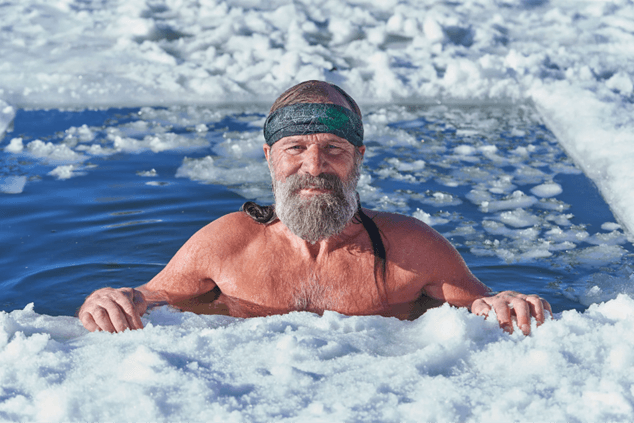
Perhaps most importantly, cold exposure serves as a powerful tool for mental training and resilience building. Learning to remain calm and focused while experiencing the intense stress of cold exposure develops mental toughness that transfers to other challenging situations in life. The practice teaches practitioners to breathe through discomfort, maintain composure under pressure, and access inner resources for managing stress and adversity.
Pillar Three: Commitment and Mental Discipline
The third pillar of the Wim Hof Method—commitment—underlies and enables the effectiveness of the breathing and cold exposure practices. This pillar encompasses not only the dedication required to maintain a regular practice but also the mental discipline necessary to push through comfort zones and access deeper levels of human potential.
Commitment in the context of the Wim Hof Method involves both consistency in daily practice and the willingness to gradually increase challenges over time. This might mean extending breath hold times, reducing water temperature in cold showers, or maintaining practice during periods when motivation is low. The development of this commitment creates a foundation of self-discipline that extends far beyond the method itself into all areas of life.
The mental aspect of the method involves learning to maintain focus and calm awareness during intense physical sensations, whether from breath holds or cold exposure. This mental training develops what Hof calls “getting into the zone”—a state of focused attention and relaxed control that allows practitioners to manage discomfort and stress with equanimity. The ability to access this mental state becomes a powerful tool for handling life’s challenges with greater resilience and effectiveness.
The commitment pillar also involves a fundamental shift in mindset about human limitations and potential. Practitioners learn to question assumptions about what they can handle physically and mentally, discovering that many perceived limitations are psychological rather than truly physiological. This revelation often leads to increased confidence, willingness to take on challenges, and a more adventurous approach to life in general.
Chapter 3: World Records and Extraordinary Feats
Early Records and Ice Swimming Achievements
Wim Hof’s journey to becoming a world record holder began with his 2000 achievement of swimming 57.5 meters under ice, a feat that required not only extraordinary cold tolerance but also the ability to navigate in near-zero visibility conditions while managing the physiological stress of extreme cold water immersion. This record was set on his second attempt, after a first attempt failed when his corneas froze without protective goggles, temporarily blinding him and requiring rescue by safety divers.
The ice swimming record demonstrated several key aspects of Hof’s abilities: his capacity to maintain mental clarity and physical control in life-threatening conditions, his understanding of how to prepare his body for extreme challenges through specific protocols, and his willingness to push beyond normal human limitations. The 57.5-meter distance may seem modest by swimming standards, but the conditions—water temperature near freezing, complete ice coverage requiring underwater navigation, and the physiological stress of extreme cold—made this achievement extraordinary.
This early record established Hof’s reputation as someone capable of feats that seemed impossible to most observers and set the stage for increasingly ambitious challenges. The success also validated his developing understanding of how breathing techniques and mental preparation could enable the human body to function in conditions where it would normally shut down or fail entirely.
Mountain Climbing in Minimal Clothing
Among Wim Hof’s most visually striking achievements are his high-altitude climbing expeditions wearing only shorts and minimal footwear, including attempts on Mount Everest, successful climbs of Mount Kilimanjaro, and various other challenging peaks around the world. These climbs demonstrate not only cold tolerance but also the ability to maintain the complex physiological processes necessary for high-altitude performance under extreme conditions.

His 2007 attempt on Mount Everest saw him reach approximately 7,400 meters (24,300 feet) wearing only shorts and shoes before being forced to abort due to a recurring foot injury. Even with the unsuccessful summit attempt, reaching this altitude in minimal clothing represents an extraordinary achievement, as most climbers at this elevation require extensive protective gear including insulated suits, gloves, and oxygen supplementation.
The 2016 Kilimanjaro climb with journalist Scott Carney, completed in just 28 hours, was particularly significant because it was thoroughly documented and witnessed by a skeptical observer who had initially set out to debunk Hof’s claims. Carney’s subsequent book “What Doesn’t Kill Us” provided detailed documentation of both Hof’s abilities and the effectiveness of his teaching methods, lending credibility to claims that might otherwise seem too extraordinary to believe.

These climbing achievements demonstrate the practical application of the Wim Hof Method in real-world extreme conditions. The combination of breathing techniques, cold adaptation, and mental discipline enabled Hof to maintain body temperature, mental clarity, and physical performance at altitudes and temperatures where most people would require extensive protective equipment and struggle to function effectively.
Endurance Records and Ice Contact Achievements
Wim Hof’s endurance records for prolonged contact with ice represent perhaps the most measurable and scientifically significant of his achievements. His record of standing in direct, full-body contact with ice for 1 hour and 52 minutes (later extended and eventually broken by others) provided researchers with clear, quantifiable data about his ability to maintain core body temperature and mental function under conditions of extreme cold stress.
These endurance records were particularly valuable for scientific study because they could be conducted in controlled laboratory conditions with extensive monitoring of physiological parameters including core body temperature, heart rate, blood pressure, stress hormone levels, and brain activity. The data collected during these record attempts provided crucial evidence supporting Hof’s claims about voluntary control over autonomic nervous system functions.
The ice contact records also demonstrated the scalability and teachability of Hof’s methods, as many of his students and followers have achieved similar (though typically shorter) durations of ice contact using the same techniques he developed. This reproducibility across different individuals provided additional scientific evidence that the effects were due to teachable techniques rather than unique genetic or physiological characteristics specific to Hof alone.
Running Records: Arctic Half-Marathon and Desert Marathon
Hof’s running achievements include completing a barefoot half-marathon above the Arctic Circle wearing only shorts in 2 hours and 16 minutes, and running a full marathon in the Namib Desert without drinking water. These achievements demonstrate the versatility of his method for handling extreme conditions in both hot and cold environments.
The Arctic half-marathon, completed near Oulu, Finland, in January 2007, remains his only current Guinness World Record and represents a particularly pure test of his cold adaptation abilities. Running 13.1 miles barefoot on ice and snow requires not only cold tolerance but also the ability to maintain the complex physiological processes necessary for sustained aerobic exercise under extreme conditions. The achievement demonstrated that his method provided benefits beyond simple cold tolerance to include enhanced athletic performance under challenging conditions.
The Namib Desert marathon presented the opposite challenge—maintaining physiological function and preventing overheating in one of the world’s hottest environments without the cooling benefit of water consumption. This achievement suggested that the Wim Hof Method’s effects on autonomic nervous system control extended beyond cold tolerance to include improved regulation of body temperature and stress response in hot conditions as well.
Chapter 4: Scientific Validation—Research and Breakthroughs
The 2014 Endotoxin Study: A Paradigm Shift
The most significant scientific validation of Wim Hof’s claims came from a 2014 study conducted at Radboud University in the Netherlands, where researchers injected Hof and a group of his trained students with bacterial endotoxin—a substance that normally triggers a powerful inflammatory immune response including fever, headache, and flu-like symptoms. The results challenged fundamental assumptions about human physiology and immune system control.
In this groundbreaking study, Hof and 12 volunteers who had received four days of training in his method were injected with lipopolysaccharide (LPS), a component of bacterial cell walls that reliably triggers immune system activation. While a control group of untrained individuals experienced the expected inflammatory response, Hof and his trained group showed dramatically reduced symptoms and inflammatory markers, including significantly lower levels of pro-inflammatory cytokines.
The study’s most remarkable finding was that the trained individuals showed increased levels of epinephrine (adrenaline) that appeared to suppress the inflammatory response—demonstrating for the first time that humans could voluntarily influence their immune system function through breathing techniques and mental training. This represented a fundamental challenge to the medical understanding that immune responses are entirely automatic and beyond conscious control.
The researchers concluded that the sympathetic nervous system and immune system could be voluntarily influenced through the techniques taught by Wim Hof. This finding has profound implications for the treatment of autoimmune diseases, inflammatory conditions, and other health problems where immune system dysfunction plays a role. The study’s publication in a peer-reviewed journal marked the beginning of serious scientific interest in Hof’s methods and their potential medical applications.
Brain Imaging Studies: Understanding Neural Mechanisms
Subsequent research has used advanced brain imaging techniques to understand how the Wim Hof Method affects neural activity and brain function. A 2018 study using functional magnetic resonance imaging (fMRI) showed that the method activated brain regions responsible for pain suppression, suggesting potential applications for natural pain management without pharmaceutical interventions.
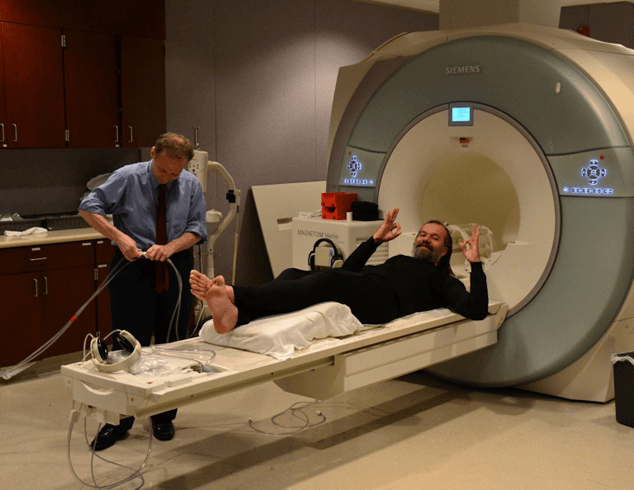
The brain imaging research revealed that Hof’s method activates the periaqueductal gray area of the brain, a region associated with descending pain modulation—essentially the brain’s natural pain suppression system. This activation occurred during both the breathing exercises and cold exposure components of the method, suggesting that the technique provides access to the body’s own pain management systems.
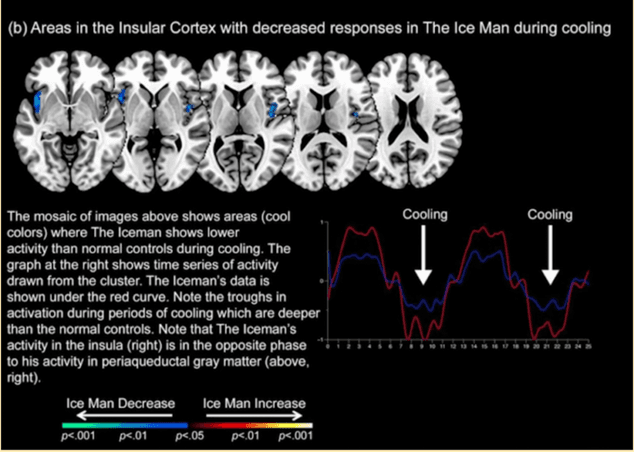
More recent studies have examined changes in brain activity patterns following extended training in the Wim Hof Method. These studies have shown increased activity in brain networks associated with interoception—the ability to sense internal bodily signals—as well as changes in neurotransmitter systems including the endocannabinoid system, which plays important roles in stress response, pain management, and emotional regulation.
The neurobiological research has also revealed changes in CB1 receptor binding throughout the brain following Wim Hof Method training, with these changes correlating with improvements in mood and reductions in depressive symptoms. This finding suggests that the method may have therapeutic applications for mental health conditions and provides insight into the mechanisms underlying its reported psychological benefits.
Recent Studies: Inflammation and Mental Health
The most recent scientific research on the Wim Hof Method has focused on its effects on inflammation and mental health outcomes. A comprehensive 2024 systematic review published by researchers at the University of Warwick analyzed eight different clinical trials and concluded that the method can effectively reduce inflammation markers when breathing exercises and cold exposure are combined.
The Warwick study found that the anti-inflammatory effects were particularly pronounced when both pillars of the method (breathing and cold exposure) were practiced together, supporting Hof’s longtime assertion that the components work synergistically rather than independently. The reduced inflammation has potential implications for treating chronic inflammatory conditions including cardiovascular disease, diabetes, and autoimmune disorders.
Research into mental health applications has shown promising results for treating stress, anxiety, and depression. Studies have found that regular practice of the Wim Hof Method can reduce perceived stress levels, decrease anxiety symptoms, and improve overall mood and well-being. The method appears to work by training the nervous system to maintain calm and focused attention during challenging situations, creating resilience that transfers to daily life stressors.
A particularly significant finding from recent research is that the benefits of the method appear to be accessible to most healthy individuals, not just those with exceptional baseline fitness or unusual physiological characteristics. This democratization of the technique’s benefits has important implications for public health applications and suggests that the method could be widely implemented as a preventive health measure.
Chapter 5: Global Impact and Cultural Phenomenon
From Personal Practice to Global Movement
The transformation of Wim Hof’s personal healing practice into a global phenomenon represents one of the most remarkable success stories in the modern wellness movement. What began as one man’s desperate search for relief from grief has evolved into a method practiced by over one million people worldwide, with certified instructors teaching the technique in dozens of countries and languages.
The global spread of the Wim Hof Method has been facilitated by several factors: the method’s accessibility to people of varying fitness levels, its relatively simple protocol that can be learned quickly, the dramatic results many practitioners experience, and the growing body of scientific evidence supporting its effectiveness. Unlike many wellness practices that require extensive training or expensive equipment, the basic Wim Hof Method can be learned and practiced by almost anyone with minimal cost or preparation.
Social media and digital platforms have played a crucial role in spreading awareness of the method. Videos of Hof’s record attempts and teaching sessions regularly go viral, while practitioners share their own experiences and results online. The visual drama of ice baths and breath work, combined with the measurable results many people achieve, creates compelling content that spreads organically through online networks.
The method’s growth has also been supported by high-profile endorsements from athletes, celebrities, and influential figures in the health and wellness space. Professional athletes have integrated ice baths and breathing exercises into their training regimens, while entrepreneurs and executives have adopted the method for stress management and performance enhancement.
Educational Programs and Certification System
Recognizing the need to maintain quality and safety as his method spread globally, Wim Hof developed a comprehensive educational and certification system for teaching his techniques. The Wim Hof Method now offers online courses, mobile applications, in-person workshops, and instructor certification programs that ensure consistent, safe instruction while making the method accessible to people who cannot travel to attend live events.
The online course platform has democratized access to high-quality instruction in the method, allowing people in remote locations or with scheduling constraints to learn the techniques at their own pace. The courses include detailed instruction in breathing techniques, progressive cold exposure protocols, safety guidelines, and the philosophical foundations of the method.
The mobile application extends this accessibility further by providing guided breathing exercises, progress tracking, cold exposure timers, and a community platform where practitioners can share experiences and support each other’s progress. The app has been downloaded millions of times and represents one of the most successful wellness applications in the market.
The instructor certification program maintains standards for teaching the method while expanding its availability through qualified instructors worldwide. Certified instructors complete extensive training in both the practical techniques and safety protocols, ensuring that the method is taught responsibly as it reaches new audiences.
Integration into Healthcare and Athletic Performance
The growing scientific evidence supporting the Wim Hof Method has led to its integration into various healthcare and athletic performance settings. Some medical professionals now recommend the method as a complementary therapy for conditions including anxiety, depression, chronic fatigue, and autoimmune disorders, while athletic trainers incorporate ice baths and breathing exercises into recovery and performance enhancement protocols.
Several professional sports teams and elite athletes have adopted components of the Wim Hof Method as part of their training and recovery programs. The combination of improved stress management, enhanced recovery, and increased mental resilience makes the method particularly attractive to athletes seeking competitive advantages through natural means rather than pharmaceutical interventions.
Healthcare integration has been more cautious but is growing as research evidence accumulates. Some hospitals and clinics now offer workshops on breathing techniques and cold therapy as part of integrative medicine programs, while mental health professionals increasingly recommend breathing exercises derived from Hof’s method as tools for managing anxiety and stress.
The method’s integration into corporate wellness programs represents another significant area of growth. Companies recognize that employees who practice stress management techniques including breathing exercises and cold exposure report higher levels of energy, better focus, and reduced sick days, leading to improved productivity and reduced healthcare costs.
Chapter 6: Controversies, Criticisms, and Safety Considerations
Scientific Skepticism and Methodological Concerns
Despite the growing body of research supporting the Wim Hof Method, the scientific community maintains healthy skepticism about some claims, particularly those regarding disease treatment and extraordinary human potential. Critics point to the relatively small sample sizes in most studies, the difficulty of creating proper control groups for breathing and cold exposure research, and the need for larger, longer-term studies to fully validate the method’s benefits.
Some researchers have raised concerns about the reproducibility of results across different populations and the potential for publication bias in favor of positive findings. The dramatic nature of Hof’s personal achievements and the enthusiasm of practitioners can sometimes overshadow the need for rigorous, objective scientific evaluation of the method’s effects and limitations.
The challenge of studying the Wim Hof Method scientifically stems partly from the difficulty of separating the effects of its various components and the influence of placebo effects and expectation on outcomes. While the 2014 endotoxin study provided clear biological evidence of immune system effects, other claimed benefits such as increased energy and improved mood are more subjective and harder to measure objectively.
Medical professionals have also expressed concerns about the potential for practitioners to view the method as a replacement for conventional medical treatment rather than a complementary practice. While research suggests benefits for various conditions, the method is not a cure-all, and people with serious health conditions should continue working with qualified healthcare providers.
Safety Concerns and Risk Management
The Wim Hof Method, particularly the breathing exercises and cold exposure components, carries inherent risks that must be understood and managed appropriately. The breathing technique can cause dizziness, fainting, and potentially dangerous situations if practiced in unsafe environments such as while driving or swimming. Several deaths have been associated with breathing techniques similar to those taught by Hof, typically when practiced in water without proper supervision.
Cold exposure also presents risks including hypothermia, frostbite, and cardiovascular stress that can be dangerous for people with certain medical conditions or those who progress too rapidly without proper preparation. The gradual progression advocated by Hof and his certified instructors is essential for safe practice, but some enthusiastic practitioners may attempt to advance too quickly and put themselves at risk.
The method’s popularity on social media has led to concerns about people attempting extreme challenges without proper instruction or safety measures. Videos of dramatic ice baths and breath holds can inspire dangerous imitation attempts by viewers who lack understanding of the proper protocols and safety measures necessary for safe practice.
To address these concerns, the official Wim Hof Method instruction emphasizes gradual progression, proper supervision, and specific contraindications for people with certain medical conditions including cardiovascular disease, pregnancy, and mental health conditions that might be affected by intense breathing exercises or cold exposure.
Commercialization and Authenticity Questions
The commercialization of the Wim Hof Method through courses, certifications, merchandise, and licensing agreements has raised questions about whether the financial success has compromised the authenticity or accessibility of the teachings. Critics argue that what was once a freely shared method for healing and human potential has become a profitable business that may prioritize revenue over genuine help for practitioners.
Supporters counter that the commercialization has enabled higher-quality instruction, better safety protocols, and wider accessibility through professional course development and instructor training. The revenue from commercial activities also supports ongoing research and development of new applications for the method.
The growth of the Wim Hof brand has led to trademark disputes and concerns about copycat methods that may lack the safety protocols and scientific backing of the original. This commercialization represents a common challenge for wellness methods that achieve mainstream success—balancing accessibility with quality control and authentic instruction.
Despite these concerns, Hof has maintained his commitment to making basic instruction in his method available at low cost or free through online resources, while using commercial success to fund research and development of more advanced applications. The tension between commercialization and accessibility continues to evolve as the method grows.
Chapter 7: The Philosophy and Psychology of the Method
The Mind-Body Connection and Human Potential
At its core, the Wim Hof Method represents a practical exploration of the mind-body connection and human potential that goes far beyond simple breathing exercises or cold exposure. Hof’s philosophy suggests that humans have vastly underestimated their own capabilities and that most perceived limitations are psychological rather than truly physiological in nature.
This philosophical foundation draws from various wisdom traditions including Eastern meditation practices, indigenous cold exposure rituals, and Western scientific understanding of human physiology. However, Hof’s unique contribution has been to synthesize these influences into a practical, teachable method that can produce measurable results for ordinary people rather than just trained monks or extreme athletes.
The method’s emphasis on pushing through comfort zones and challenging perceived limitations serves as a metaphor for approaching life’s challenges with greater confidence and resilience. Practitioners often report that learning to handle the intense sensations of cold exposure or extended breath holds gives them tools for managing stress, anxiety, and difficult situations in their daily lives with greater equanimity.
Hof’s teaching consistently emphasizes that his extraordinary abilities are not unique to him but represent potential that exists in all humans and can be developed through proper training and commitment. This democratizing message has resonated with millions of people who feel inspired to explore their own untapped capabilities rather than simply admiring someone else’s achievements.
Stress Inoculation and Resilience Building
One of the most psychologically important aspects of the Wim Hof Method is its function as a form of stress inoculation training—deliberately exposing practitioners to manageable but challenging stressors in order to build resilience for handling more significant life challenges. The controlled stress of cold exposure and breath holds creates opportunities to practice remaining calm and focused under pressure.
This concept of voluntary stress exposure for resilience building has deep roots in both military training and psychological therapy, but the Wim Hof Method makes it accessible to civilians in a non-threatening, gradual manner. Practitioners learn to breathe through discomfort, maintain mental clarity during intense physical sensations, and develop confidence in their ability to handle difficult situations.
The psychological benefits often extend far beyond the practice sessions themselves. Many practitioners report increased confidence in their ability to handle work stress, relationship challenges, and unexpected life events after developing skills for managing the intense but controllable stress of cold exposure and breathing exercises.
The method also provides a direct, embodied experience of the relationship between mental state and physical response. Practitioners can observe how their thoughts, emotions, and breathing patterns directly affect their ability to handle cold or extend breath holds, providing immediate feedback on the power of mental training and conscious breathing for managing physical and emotional states.
Flow States and Peak Performance
Many practitioners of the Wim Hof Method report experiencing flow states—periods of intense focus and optimal performance—during their breathing exercises and cold exposure sessions. These experiences provide insight into how the method can be applied for enhancing performance in other areas of life including athletics, creative work, and professional challenges.
The breathing exercises in particular seem to induce altered states of consciousness that many practitioners describe as deeply meditative and profoundly peaceful. These states often include enhanced sensory perception, reduced anxiety, and a sense of connection to something larger than individual concerns—experiences that can have lasting positive effects on mental health and life satisfaction.
The cold exposure component provides opportunities to practice maintaining focus and calm awareness during intense physical sensations—skills that transfer directly to high-pressure performance situations in other contexts. Athletes report improved ability to stay focused during competition, while professionals describe better performance during stressful presentations or negotiations.
The combination of breathing exercises and cold exposure creates what many practitioners describe as a natural high—a state of energy, clarity, and well-being that occurs without external substances and can be reliably accessed through practice. This natural access to peak states provides an alternative to dependence on caffeine, alcohol, or other substances for managing energy and mood.
Chapter 8: Future Directions and Ongoing Research
Emerging Medical Applications
Current research into medical applications of the Wim Hof Method focuses primarily on its potential for treating inflammatory conditions, autoimmune disorders, and mental health challenges. The anti-inflammatory effects demonstrated in multiple studies suggest possible applications for conditions including rheumatoid arthritis, inflammatory bowel disease, and cardiovascular disease where chronic inflammation plays a central role.
Research into mental health applications is particularly promising, with studies suggesting benefits for anxiety, depression, and post-traumatic stress disorder. The method’s ability to provide rapid relief from anxiety symptoms and its training in stress resilience make it an attractive complement to traditional psychotherapy and psychiatric treatment.
Ongoing studies are examining the method’s potential for treating chronic pain conditions, with the brain imaging research suggesting that the breathing exercises can activate natural pain suppression mechanisms. This could provide alternatives to opioid medications for some types of chronic pain management.
The immune system modulation effects demonstrated in the endotoxin studies have sparked interest in applications for supporting cancer treatment, enhancing vaccine effectiveness, and improving resistance to infectious diseases. While research in these areas is still preliminary, the ability to voluntarily influence immune function represents a significant breakthrough with wide-ranging potential applications.
Technology Integration and Digital Health
The integration of technology into Wim Hof Method practice continues to evolve, with new applications using biometric monitoring, virtual reality environments, and artificial intelligence to enhance training effectiveness and safety. Wearable devices can now monitor heart rate variability, skin temperature, and other physiological parameters during practice sessions, providing real-time feedback and objective measures of progress.
Virtual reality applications are being developed to simulate cold environments and provide immersive training experiences that can supplement or replace some aspects of physical cold exposure. These technological tools could make the method more accessible to people in warm climates or those with limited access to cold water facilities.
Artificial intelligence algorithms are being developed to personalize breathing exercise protocols based on individual physiological responses and progress patterns. This could optimize training effectiveness while maintaining safety by adjusting protocols to match each practitioner’s current capabilities and goals.
The growing integration of the method into digital health platforms and electronic medical records could facilitate research into long-term health outcomes and enable healthcare providers to better understand how the method affects various health conditions over time.
Educational and Cultural Integration
The continued expansion of the Wim Hof Method into educational institutions represents an important area of growth and development. Some schools are incorporating breathing exercises and stress management techniques derived from the method into their curricula, recognizing the potential benefits for student mental health and academic performance.
University research programs are increasingly including the method in studies of human performance, resilience training, and preventive medicine. This academic integration helps legitimize the method while providing more rigorous research into its effects and optimal applications.
The method’s integration into corporate wellness programs continues to expand as companies recognize the benefits of employees who have better stress management skills, higher energy levels, and reduced sick time. Some organizations are providing on-site instruction in breathing techniques and cold exposure as part of comprehensive employee wellness initiatives.
International expansion of instructor training programs is making the method available in new cultural contexts, leading to interesting adaptations and modifications based on different cultural approaches to health, wellness, and human potential development.
Conclusion: The Legacy of Human Potential
Wim Hof’s journey from a grieving widower seeking relief from emotional pain to a global icon of human potential represents one of the most inspiring transformation stories of our time. His development of practical techniques for accessing extraordinary human capabilities has not only changed his own life but has provided tools that millions of people use to improve their health, build resilience, and explore their own untapped potential.
The scientific validation of Hof’s claims about voluntary control over autonomic nervous system functions represents a paradigm shift in understanding human physiology and the relationship between mind and body. The research demonstrating that humans can consciously influence immune function, inflammation levels, and pain perception through breathing techniques and cold exposure challenges fundamental assumptions about the limits of human control over biological processes.
Perhaps most importantly, the Wim Hof Method demonstrates that extraordinary human capabilities are not limited to exceptional individuals but can be developed by ordinary people through proper training and commitment. This democratization of human potential has profound implications for healthcare, education, athletic performance, and personal development across all areas of human endeavor.
As research continues to validate and expand understanding of the method’s effects, its applications in treating various health conditions and enhancing human performance will likely continue to grow. The integration of ancient wisdom about breathing and cold exposure with modern scientific understanding represents a powerful synthesis that could revolutionize approaches to health and wellness.
Wim Hof’s legacy extends beyond his personal achievements and the specific techniques he developed to encompass a broader message about human potential and the power of commitment, curiosity, and willingness to push beyond perceived limitations. His story reminds us that the greatest discoveries about human capabilities often come not from sophisticated laboratories but from individuals willing to explore the boundaries of what seems possible and share their discoveries for the benefit of all humanity.
The Iceman’s greatest contribution may ultimately be his demonstration that the extraordinary capabilities we admire in exceptional individuals are not gifts reserved for a chosen few but potentials that exist within all of us, waiting to be awakened through proper training, commitment, and the courage to venture beyond the comfortable boundaries of ordinary experience.
Quiz
Each study material comes with a short practice quiz at the end. These quizzes are completely optional and designed to help you review what you’ve learned and prepare for the Big Quiz.
💡 Use them to test your knowledge in a fun, low-pressure way – no email or name required.
We’re always improving and updating our content. If you spot anything that seems off, don’t hesitate to reach out – your feedback truly matters to us!
👉 Ready to test yourself? Start the Practice Quiz below:
#1. How many world records has Wim Hof set throughout his career?
#2. What tragic event in 1995 led Wim Hof to develop his method?
#3. What is Wim Hof’s current Guinness World Record?
#4. What was the significant finding of the 2014 endotoxin study?
#5. What are the three pillars of the Wim Hof Method?
Results

You crushed it! You clearly understand the power of cold, breath, and focus — the Iceman would be proud. Take a deep breath, maybe even a cold shower, and get ready to turn that knowledge into action.

So close! Don’t sweat it (or do — before that cold shower). The Wim Hof Method is all about practice and patience, not perfection. Take another breath, give it one more try, and show the ice who’s boss.
Take back control of your body and mind. Learn the three pillars — breathing, cold, commitment — and see how you can influence stress, inflammation, and focus. Science-backed, record-tested, practical for everyday life. Ready to dive in? ❄️
Wim Hof, known worldwide as “The Iceman,” has transformed from a grieving Dutch father into one of the most extraordinary human beings ever studied by science, demonstrating abilities that have forced researchers to completely reconsider the limits of human physiology and the power of the mind over the body. Born April 20, 1959, in Sittard, Netherlands, Hof has set 26 world records for cold endurance, developed a method practiced by over one million people globally, and become the subject of groundbreaking scientific research that validates his claims about voluntary control over the autonomic nervous system and immune response. His technique, known as the Wim Hof Method, combines specific breathing exercises with gradual cold exposure and mental commitment to achieve what was previously thought impossible: conscious influence over normally automatic bodily functions including inflammation, stress response, and pain perception. Through decades of pushing his body to extremes—from swimming 66 meters under ice to climbing Mount Everest in shorts—Hof has not only shattered conventional understanding of human limitations but has also provided practical tools that millions use to improve their health, reduce stress, and tap into their own extraordinary potential. His journey from personal tragedy to global phenomenon represents one of the most compelling stories of human resilience and the untapped capabilities that lie dormant within us all.
Chapter 1: The Making of the Iceman—From Tragedy to Transcendence
Early Life and Family Background
Wim Hof was born into a large Catholic family in Sittard, a small city in the southern Netherlands province of Limburg, as one of nine children. His upbringing in this bustling household would later influence his understanding of community, resilience, and the importance of supporting others through difficult challenges. The rural Dutch environment of his childhood, with its cold winters and emphasis on physical toughness, provided an early introduction to the relationship between climate and human endurance that would later define his life’s work.
As a young man, Hof showed no particular signs of the extraordinary abilities that would later make him famous. He worked various jobs, married, and began raising a family in what appeared to be a conventional Dutch life. However, beneath this ordinary exterior lay an innate curiosity about human potential and a willingness to experiment with physical and mental boundaries that would eventually set him apart from his peers.
The seeds of his future method may have been planted during childhood encounters with cold water and winter weather, but it was not until much later that Hof would begin to understand the profound implications of deliberate cold exposure combined with specific breathing techniques. His early life serves as a reminder that extraordinary potential can emerge from the most ordinary circumstances when combined with the right catalyst for transformation.
The Turning Point: Personal Tragedy and the Search for Meaning
The event that fundamentally changed Wim Hof’s life occurred in 1995 when his wife, Olaya, committed suicide, leaving him alone to raise their four young children. This devastating loss could have destroyed many people, but for Hof, it became the catalyst for a profound exploration of human consciousness, pain management, and the relationship between mental and physical resilience. Unable to bear the emotional pain through conventional means, he began seeking alternative approaches to processing grief and trauma.
It was during this period of intense suffering that Hof first discovered the power of cold exposure as a tool for mental clarity and emotional regulation. Walking through a park in Amsterdam, he felt drawn to jump into a frozen pond—an action that might have seemed reckless but which provided him with his first glimpse of the cold’s ability to create focus, presence, and relief from psychological pain. This spontaneous encounter with ice-cold water marked the beginning of his systematic exploration of cold therapy.
The loss of his wife also instilled in Hof a deep sense of responsibility to his children and a determination to develop practical tools that could help others navigate life’s most challenging moments. His personal tragedy became the foundation for a mission to share methods for building resilience, managing stress, and accessing inner strength that he believes everyone possesses. This transformation of personal pain into universal benefit represents one of the most compelling aspects of Hof’s story and helps explain the emotional resonance his method has for millions of practitioners worldwide.
Early Experiments with Cold and Breath
Following his wife’s death, Hof began systematically experimenting with cold exposure, starting with cold showers and gradually progressing to ice baths and winter swimming. What began as a personal coping mechanism evolved into a sophisticated understanding of how controlled stress through cold exposure could strengthen both body and mind. He discovered that combining specific breathing techniques with cold exposure produced effects far greater than either practice alone.
Hof’s early breathing experiments drew inspiration from various sources, including pranayama yoga techniques, Tibetan tummo meditation, and his own intuitive discoveries about hyperventilation and breath retention. Through trial and error, he developed a specific protocol that involved rapid, deep breathing followed by breath holds, which he found could dramatically increase his tolerance for cold and provide profound mental benefits including reduced anxiety and enhanced mood.
The combination of these practices allowed Hof to achieve feats that seemed impossible to observers: remaining comfortable in freezing temperatures for extended periods, swimming in ice-cold water without protection, and maintaining mental clarity and physical control in conditions that would incapacitate most people. These early experiments laid the foundation for what would become a globally recognized method for enhancing human performance and well-being.
Chapter 2: The Three Pillars—Understanding the Wim Hof Method
Pillar One: Breathing Techniques and Physiological Impact
The breathing component of the Wim Hof Method represents perhaps the most accessible and immediately powerful aspect of his technique. The basic protocol involves 30-40 deep, rhythmic breaths followed by a breath hold, repeated for three to four rounds. This pattern of controlled hyperventilation followed by breath retention creates specific physiological changes that form the foundation for the method’s remarkable effects.
The breathing technique begins with finding a comfortable position and taking deep breaths that fill the belly and chest completely, followed by relaxed exhalations. The rapid succession of these breaths—approximately one breath per two seconds—creates a state of controlled hyperventilation that lowers carbon dioxide levels in the blood while temporarily increasing oxygen saturation. This process, known as hypocapnia, shifts blood pH toward alkalinity and creates the physiological conditions necessary for extended breath holds.
During the retention phase following the 30-40 breathing cycles, practitioners typically find they can hold their breath for significantly longer periods than normal—often two to four minutes or more. This extended breath hold, combined with the altered blood chemistry from the breathing exercise, activates the sympathetic nervous system and triggers the release of adrenaline and other stress hormones in a controlled, beneficial manner. The entire cycle is repeated multiple times, with many practitioners reporting immediate effects including increased energy, mental clarity, and a profound sense of calm and focus.
The physiological mechanisms underlying these breathing techniques have been the subject of extensive scientific study. Research has shown that the Wim Hof breathing method can significantly increase levels of epinephrine (adrenaline) in the blood, which in turn affects immune system function, inflammation levels, and pain perception. The method appears to give practitioners voluntary control over normally automatic nervous system responses, representing a breakthrough in understanding of human physiological control.
Pillar Two: Cold Exposure and Adaptive Benefits
Cold exposure, the second pillar of the Wim Hof Method, involves gradual adaptation to increasingly challenging cold environments, beginning with cold showers and progressing to ice baths and natural cold water swimming. This progressive approach ensures safety while building the physical and mental resilience necessary to handle extreme cold exposure with comfort and confidence.
The physiological benefits of cold exposure are extensive and well-documented. Regular cold exposure stimulates the production of brown adipose tissue (brown fat), which burns calories to generate heat and can contribute to improved metabolism and weight management. Cold exposure also triggers the release of norepinephrine, a neurotransmitter that acts as both a hormone and neurotransmitter, contributing to improved focus, attention, and mood while also reducing inflammation throughout the body.
The cardiovascular benefits of cold exposure include improved circulation as blood vessels constrict and dilate in response to temperature changes, potentially leading to better cardiovascular health and increased tolerance for physical stress. Cold exposure also activates the body’s natural healing responses, stimulating the immune system and promoting the production of beneficial compounds that support overall health and longevity.
Perhaps most importantly, cold exposure serves as a powerful tool for mental training and resilience building. Learning to remain calm and focused while experiencing the intense stress of cold exposure develops mental toughness that transfers to other challenging situations in life. The practice teaches practitioners to breathe through discomfort, maintain composure under pressure, and access inner resources for managing stress and adversity.
Pillar Three: Commitment and Mental Discipline
The third pillar of the Wim Hof Method—commitment—underlies and enables the effectiveness of the breathing and cold exposure practices. This pillar encompasses not only the dedication required to maintain a regular practice but also the mental discipline necessary to push through comfort zones and access deeper levels of human potential.
Commitment in the context of the Wim Hof Method involves both consistency in daily practice and the willingness to gradually increase challenges over time. This might mean extending breath hold times, reducing water temperature in cold showers, or maintaining practice during periods when motivation is low. The development of this commitment creates a foundation of self-discipline that extends far beyond the method itself into all areas of life.
The mental aspect of the method involves learning to maintain focus and calm awareness during intense physical sensations, whether from breath holds or cold exposure. This mental training develops what Hof calls “getting into the zone”—a state of focused attention and relaxed control that allows practitioners to manage discomfort and stress with equanimity. The ability to access this mental state becomes a powerful tool for handling life’s challenges with greater resilience and effectiveness.
The commitment pillar also involves a fundamental shift in mindset about human limitations and potential. Practitioners learn to question assumptions about what they can handle physically and mentally, discovering that many perceived limitations are psychological rather than truly physiological. This revelation often leads to increased confidence, willingness to take on challenges, and a more adventurous approach to life in general.
Chapter 3: World Records and Extraordinary Feats
Early Records and Ice Swimming Achievements
Wim Hof’s journey to becoming a world record holder began with his 2000 achievement of swimming 57.5 meters under ice, a feat that required not only extraordinary cold tolerance but also the ability to navigate in near-zero visibility conditions while managing the physiological stress of extreme cold water immersion. This record was set on his second attempt, after a first attempt failed when his corneas froze without protective goggles, temporarily blinding him and requiring rescue by safety divers.
The ice swimming record demonstrated several key aspects of Hof’s abilities: his capacity to maintain mental clarity and physical control in life-threatening conditions, his understanding of how to prepare his body for extreme challenges through specific protocols, and his willingness to push beyond normal human limitations. The 57.5-meter distance may seem modest by swimming standards, but the conditions—water temperature near freezing, complete ice coverage requiring underwater navigation, and the physiological stress of extreme cold—made this achievement extraordinary.
This early record established Hof’s reputation as someone capable of feats that seemed impossible to most observers and set the stage for increasingly ambitious challenges. The success also validated his developing understanding of how breathing techniques and mental preparation could enable the human body to function in conditions where it would normally shut down or fail entirely.
Mountain Climbing in Minimal Clothing
Among Wim Hof’s most visually striking achievements are his high-altitude climbing expeditions wearing only shorts and minimal footwear, including attempts on Mount Everest, successful climbs of Mount Kilimanjaro, and various other challenging peaks around the world. These climbs demonstrate not only cold tolerance but also the ability to maintain the complex physiological processes necessary for high-altitude performance under extreme conditions.
His 2007 attempt on Mount Everest saw him reach approximately 7,400 meters (24,300 feet) wearing only shorts and shoes before being forced to abort due to a recurring foot injury. Even with the unsuccessful summit attempt, reaching this altitude in minimal clothing represents an extraordinary achievement, as most climbers at this elevation require extensive protective gear including insulated suits, gloves, and oxygen supplementation.
The 2016 Kilimanjaro climb with journalist Scott Carney, completed in just 28 hours, was particularly significant because it was thoroughly documented and witnessed by a skeptical observer who had initially set out to debunk Hof’s claims. Carney’s subsequent book “What Doesn’t Kill Us” provided detailed documentation of both Hof’s abilities and the effectiveness of his teaching methods, lending credibility to claims that might otherwise seem too extraordinary to believe.
These climbing achievements demonstrate the practical application of the Wim Hof Method in real-world extreme conditions. The combination of breathing techniques, cold adaptation, and mental discipline enabled Hof to maintain body temperature, mental clarity, and physical performance at altitudes and temperatures where most people would require extensive protective equipment and struggle to function effectively.
Endurance Records and Ice Contact Achievements
Wim Hof’s endurance records for prolonged contact with ice represent perhaps the most measurable and scientifically significant of his achievements. His record of standing in direct, full-body contact with ice for 1 hour and 52 minutes (later extended and eventually broken by others) provided researchers with clear, quantifiable data about his ability to maintain core body temperature and mental function under conditions of extreme cold stress.
These endurance records were particularly valuable for scientific study because they could be conducted in controlled laboratory conditions with extensive monitoring of physiological parameters including core body temperature, heart rate, blood pressure, stress hormone levels, and brain activity. The data collected during these record attempts provided crucial evidence supporting Hof’s claims about voluntary control over autonomic nervous system functions.
The ice contact records also demonstrated the scalability and teachability of Hof’s methods, as many of his students and followers have achieved similar (though typically shorter) durations of ice contact using the same techniques he developed. This reproducibility across different individuals provided additional scientific evidence that the effects were due to teachable techniques rather than unique genetic or physiological characteristics specific to Hof alone.
Running Records: Arctic Half-Marathon and Desert Marathon
Hof’s running achievements include completing a barefoot half-marathon above the Arctic Circle wearing only shorts in 2 hours and 16 minutes, and running a full marathon in the Namib Desert without drinking water. These achievements demonstrate the versatility of his method for handling extreme conditions in both hot and cold environments.
The Arctic half-marathon, completed near Oulu, Finland, in January 2007, remains his only current Guinness World Record and represents a particularly pure test of his cold adaptation abilities. Running 13.1 miles barefoot on ice and snow requires not only cold tolerance but also the ability to maintain the complex physiological processes necessary for sustained aerobic exercise under extreme conditions. The achievement demonstrated that his method provided benefits beyond simple cold tolerance to include enhanced athletic performance under challenging conditions.
The Namib Desert marathon presented the opposite challenge—maintaining physiological function and preventing overheating in one of the world’s hottest environments without the cooling benefit of water consumption. This achievement suggested that the Wim Hof Method’s effects on autonomic nervous system control extended beyond cold tolerance to include improved regulation of body temperature and stress response in hot conditions as well.
Chapter 4: Scientific Validation—Research and Breakthroughs
The 2014 Endotoxin Study: A Paradigm Shift
The most significant scientific validation of Wim Hof’s claims came from a 2014 study conducted at Radboud University in the Netherlands, where researchers injected Hof and a group of his trained students with bacterial endotoxin—a substance that normally triggers a powerful inflammatory immune response including fever, headache, and flu-like symptoms. The results challenged fundamental assumptions about human physiology and immune system control.
In this groundbreaking study, Hof and 12 volunteers who had received four days of training in his method were injected with lipopolysaccharide (LPS), a component of bacterial cell walls that reliably triggers immune system activation. While a control group of untrained individuals experienced the expected inflammatory response, Hof and his trained group showed dramatically reduced symptoms and inflammatory markers, including significantly lower levels of pro-inflammatory cytokines.
The study’s most remarkable finding was that the trained individuals showed increased levels of epinephrine (adrenaline) that appeared to suppress the inflammatory response—demonstrating for the first time that humans could voluntarily influence their immune system function through breathing techniques and mental training. This represented a fundamental challenge to the medical understanding that immune responses are entirely automatic and beyond conscious control.
The researchers concluded that the sympathetic nervous system and immune system could be voluntarily influenced through the techniques taught by Wim Hof. This finding has profound implications for the treatment of autoimmune diseases, inflammatory conditions, and other health problems where immune system dysfunction plays a role. The study’s publication in a peer-reviewed journal marked the beginning of serious scientific interest in Hof’s methods and their potential medical applications.
Brain Imaging Studies: Understanding Neural Mechanisms
Subsequent research has used advanced brain imaging techniques to understand how the Wim Hof Method affects neural activity and brain function. A 2018 study using functional magnetic resonance imaging (fMRI) showed that the method activated brain regions responsible for pain suppression, suggesting potential applications for natural pain management without pharmaceutical interventions.
The brain imaging research revealed that Hof’s method activates the periaqueductal gray area of the brain, a region associated with descending pain modulation—essentially the brain’s natural pain suppression system. This activation occurred during both the breathing exercises and cold exposure components of the method, suggesting that the technique provides access to the body’s own pain management systems.
More recent studies have examined changes in brain activity patterns following extended training in the Wim Hof Method. These studies have shown increased activity in brain networks associated with interoception—the ability to sense internal bodily signals—as well as changes in neurotransmitter systems including the endocannabinoid system, which plays important roles in stress response, pain management, and emotional regulation.
The neurobiological research has also revealed changes in CB1 receptor binding throughout the brain following Wim Hof Method training, with these changes correlating with improvements in mood and reductions in depressive symptoms. This finding suggests that the method may have therapeutic applications for mental health conditions and provides insight into the mechanisms underlying its reported psychological benefits.
Recent Studies: Inflammation and Mental Health
The most recent scientific research on the Wim Hof Method has focused on its effects on inflammation and mental health outcomes. A comprehensive 2024 systematic review published by researchers at the University of Warwick analyzed eight different clinical trials and concluded that the method can effectively reduce inflammation markers when breathing exercises and cold exposure are combined.
The Warwick study found that the anti-inflammatory effects were particularly pronounced when both pillars of the method (breathing and cold exposure) were practiced together, supporting Hof’s longtime assertion that the components work synergistically rather than independently. The reduced inflammation has potential implications for treating chronic inflammatory conditions including cardiovascular disease, diabetes, and autoimmune disorders.
Research into mental health applications has shown promising results for treating stress, anxiety, and depression. Studies have found that regular practice of the Wim Hof Method can reduce perceived stress levels, decrease anxiety symptoms, and improve overall mood and well-being. The method appears to work by training the nervous system to maintain calm and focused attention during challenging situations, creating resilience that transfers to daily life stressors.
A particularly significant finding from recent research is that the benefits of the method appear to be accessible to most healthy individuals, not just those with exceptional baseline fitness or unusual physiological characteristics. This democratization of the technique’s benefits has important implications for public health applications and suggests that the method could be widely implemented as a preventive health measure.
Chapter 5: Global Impact and Cultural Phenomenon
From Personal Practice to Global Movement
The transformation of Wim Hof’s personal healing practice into a global phenomenon represents one of the most remarkable success stories in the modern wellness movement. What began as one man’s desperate search for relief from grief has evolved into a method practiced by over one million people worldwide, with certified instructors teaching the technique in dozens of countries and languages.
The global spread of the Wim Hof Method has been facilitated by several factors: the method’s accessibility to people of varying fitness levels, its relatively simple protocol that can be learned quickly, the dramatic results many practitioners experience, and the growing body of scientific evidence supporting its effectiveness. Unlike many wellness practices that require extensive training or expensive equipment, the basic Wim Hof Method can be learned and practiced by almost anyone with minimal cost or preparation.
Social media and digital platforms have played a crucial role in spreading awareness of the method. Videos of Hof’s record attempts and teaching sessions regularly go viral, while practitioners share their own experiences and results online. The visual drama of ice baths and breath work, combined with the measurable results many people achieve, creates compelling content that spreads organically through online networks.
The method’s growth has also been supported by high-profile endorsements from athletes, celebrities, and influential figures in the health and wellness space. Professional athletes have integrated ice baths and breathing exercises into their training regimens, while entrepreneurs and executives have adopted the method for stress management and performance enhancement.
Educational Programs and Certification System
Recognizing the need to maintain quality and safety as his method spread globally, Wim Hof developed a comprehensive educational and certification system for teaching his techniques. The Wim Hof Method now offers online courses, mobile applications, in-person workshops, and instructor certification programs that ensure consistent, safe instruction while making the method accessible to people who cannot travel to attend live events.
The online course platform has democratized access to high-quality instruction in the method, allowing people in remote locations or with scheduling constraints to learn the techniques at their own pace. The courses include detailed instruction in breathing techniques, progressive cold exposure protocols, safety guidelines, and the philosophical foundations of the method.
The mobile application extends this accessibility further by providing guided breathing exercises, progress tracking, cold exposure timers, and a community platform where practitioners can share experiences and support each other’s progress. The app has been downloaded millions of times and represents one of the most successful wellness applications in the market.
The instructor certification program maintains standards for teaching the method while expanding its availability through qualified instructors worldwide. Certified instructors complete extensive training in both the practical techniques and safety protocols, ensuring that the method is taught responsibly as it reaches new audiences.
Integration into Healthcare and Athletic Performance
The growing scientific evidence supporting the Wim Hof Method has led to its integration into various healthcare and athletic performance settings. Some medical professionals now recommend the method as a complementary therapy for conditions including anxiety, depression, chronic fatigue, and autoimmune disorders, while athletic trainers incorporate ice baths and breathing exercises into recovery and performance enhancement protocols.
Several professional sports teams and elite athletes have adopted components of the Wim Hof Method as part of their training and recovery programs. The combination of improved stress management, enhanced recovery, and increased mental resilience makes the method particularly attractive to athletes seeking competitive advantages through natural means rather than pharmaceutical interventions.
Healthcare integration has been more cautious but is growing as research evidence accumulates. Some hospitals and clinics now offer workshops on breathing techniques and cold therapy as part of integrative medicine programs, while mental health professionals increasingly recommend breathing exercises derived from Hof’s method as tools for managing anxiety and stress.
The method’s integration into corporate wellness programs represents another significant area of growth. Companies recognize that employees who practice stress management techniques including breathing exercises and cold exposure report higher levels of energy, better focus, and reduced sick days, leading to improved productivity and reduced healthcare costs.
Chapter 6: Controversies, Criticisms, and Safety Considerations
Scientific Skepticism and Methodological Concerns
Despite the growing body of research supporting the Wim Hof Method, the scientific community maintains healthy skepticism about some claims, particularly those regarding disease treatment and extraordinary human potential. Critics point to the relatively small sample sizes in most studies, the difficulty of creating proper control groups for breathing and cold exposure research, and the need for larger, longer-term studies to fully validate the method’s benefits.
Some researchers have raised concerns about the reproducibility of results across different populations and the potential for publication bias in favor of positive findings. The dramatic nature of Hof’s personal achievements and the enthusiasm of practitioners can sometimes overshadow the need for rigorous, objective scientific evaluation of the method’s effects and limitations.
The challenge of studying the Wim Hof Method scientifically stems partly from the difficulty of separating the effects of its various components and the influence of placebo effects and expectation on outcomes. While the 2014 endotoxin study provided clear biological evidence of immune system effects, other claimed benefits such as increased energy and improved mood are more subjective and harder to measure objectively.
Medical professionals have also expressed concerns about the potential for practitioners to view the method as a replacement for conventional medical treatment rather than a complementary practice. While research suggests benefits for various conditions, the method is not a cure-all, and people with serious health conditions should continue working with qualified healthcare providers.
Safety Concerns and Risk Management
The Wim Hof Method, particularly the breathing exercises and cold exposure components, carries inherent risks that must be understood and managed appropriately. The breathing technique can cause dizziness, fainting, and potentially dangerous situations if practiced in unsafe environments such as while driving or swimming. Several deaths have been associated with breathing techniques similar to those taught by Hof, typically when practiced in water without proper supervision.
Cold exposure also presents risks including hypothermia, frostbite, and cardiovascular stress that can be dangerous for people with certain medical conditions or those who progress too rapidly without proper preparation. The gradual progression advocated by Hof and his certified instructors is essential for safe practice, but some enthusiastic practitioners may attempt to advance too quickly and put themselves at risk.
The method’s popularity on social media has led to concerns about people attempting extreme challenges without proper instruction or safety measures. Videos of dramatic ice baths and breath holds can inspire dangerous imitation attempts by viewers who lack understanding of the proper protocols and safety measures necessary for safe practice.
To address these concerns, the official Wim Hof Method instruction emphasizes gradual progression, proper supervision, and specific contraindications for people with certain medical conditions including cardiovascular disease, pregnancy, and mental health conditions that might be affected by intense breathing exercises or cold exposure.
Commercialization and Authenticity Questions
The commercialization of the Wim Hof Method through courses, certifications, merchandise, and licensing agreements has raised questions about whether the financial success has compromised the authenticity or accessibility of the teachings. Critics argue that what was once a freely shared method for healing and human potential has become a profitable business that may prioritize revenue over genuine help for practitioners.
Supporters counter that the commercialization has enabled higher-quality instruction, better safety protocols, and wider accessibility through professional course development and instructor training. The revenue from commercial activities also supports ongoing research and development of new applications for the method.
The growth of the Wim Hof brand has led to trademark disputes and concerns about copycat methods that may lack the safety protocols and scientific backing of the original. This commercialization represents a common challenge for wellness methods that achieve mainstream success—balancing accessibility with quality control and authentic instruction.
Despite these concerns, Hof has maintained his commitment to making basic instruction in his method available at low cost or free through online resources, while using commercial success to fund research and development of more advanced applications. The tension between commercialization and accessibility continues to evolve as the method grows.
Chapter 7: The Philosophy and Psychology of the Method
The Mind-Body Connection and Human Potential
At its core, the Wim Hof Method represents a practical exploration of the mind-body connection and human potential that goes far beyond simple breathing exercises or cold exposure. Hof’s philosophy suggests that humans have vastly underestimated their own capabilities and that most perceived limitations are psychological rather than truly physiological in nature.
This philosophical foundation draws from various wisdom traditions including Eastern meditation practices, indigenous cold exposure rituals, and Western scientific understanding of human physiology. However, Hof’s unique contribution has been to synthesize these influences into a practical, teachable method that can produce measurable results for ordinary people rather than just trained monks or extreme athletes.
The method’s emphasis on pushing through comfort zones and challenging perceived limitations serves as a metaphor for approaching life’s challenges with greater confidence and resilience. Practitioners often report that learning to handle the intense sensations of cold exposure or extended breath holds gives them tools for managing stress, anxiety, and difficult situations in their daily lives with greater equanimity.
Hof’s teaching consistently emphasizes that his extraordinary abilities are not unique to him but represent potential that exists in all humans and can be developed through proper training and commitment. This democratizing message has resonated with millions of people who feel inspired to explore their own untapped capabilities rather than simply admiring someone else’s achievements.
Stress Inoculation and Resilience Building
One of the most psychologically important aspects of the Wim Hof Method is its function as a form of stress inoculation training—deliberately exposing practitioners to manageable but challenging stressors in order to build resilience for handling more significant life challenges. The controlled stress of cold exposure and breath holds creates opportunities to practice remaining calm and focused under pressure.
This concept of voluntary stress exposure for resilience building has deep roots in both military training and psychological therapy, but the Wim Hof Method makes it accessible to civilians in a non-threatening, gradual manner. Practitioners learn to breathe through discomfort, maintain mental clarity during intense physical sensations, and develop confidence in their ability to handle difficult situations.
The psychological benefits often extend far beyond the practice sessions themselves. Many practitioners report increased confidence in their ability to handle work stress, relationship challenges, and unexpected life events after developing skills for managing the intense but controllable stress of cold exposure and breathing exercises.
The method also provides a direct, embodied experience of the relationship between mental state and physical response. Practitioners can observe how their thoughts, emotions, and breathing patterns directly affect their ability to handle cold or extend breath holds, providing immediate feedback on the power of mental training and conscious breathing for managing physical and emotional states.
Flow States and Peak Performance
Many practitioners of the Wim Hof Method report experiencing flow states—periods of intense focus and optimal performance—during their breathing exercises and cold exposure sessions. These experiences provide insight into how the method can be applied for enhancing performance in other areas of life including athletics, creative work, and professional challenges.
The breathing exercises in particular seem to induce altered states of consciousness that many practitioners describe as deeply meditative and profoundly peaceful. These states often include enhanced sensory perception, reduced anxiety, and a sense of connection to something larger than individual concerns—experiences that can have lasting positive effects on mental health and life satisfaction.
The cold exposure component provides opportunities to practice maintaining focus and calm awareness during intense physical sensations—skills that transfer directly to high-pressure performance situations in other contexts. Athletes report improved ability to stay focused during competition, while professionals describe better performance during stressful presentations or negotiations.
The combination of breathing exercises and cold exposure creates what many practitioners describe as a natural high—a state of energy, clarity, and well-being that occurs without external substances and can be reliably accessed through practice. This natural access to peak states provides an alternative to dependence on caffeine, alcohol, or other substances for managing energy and mood.
Chapter 8: Future Directions and Ongoing Research
Emerging Medical Applications
Current research into medical applications of the Wim Hof Method focuses primarily on its potential for treating inflammatory conditions, autoimmune disorders, and mental health challenges. The anti-inflammatory effects demonstrated in multiple studies suggest possible applications for conditions including rheumatoid arthritis, inflammatory bowel disease, and cardiovascular disease where chronic inflammation plays a central role.
Research into mental health applications is particularly promising, with studies suggesting benefits for anxiety, depression, and post-traumatic stress disorder. The method’s ability to provide rapid relief from anxiety symptoms and its training in stress resilience make it an attractive complement to traditional psychotherapy and psychiatric treatment.
Ongoing studies are examining the method’s potential for treating chronic pain conditions, with the brain imaging research suggesting that the breathing exercises can activate natural pain suppression mechanisms. This could provide alternatives to opioid medications for some types of chronic pain management.
The immune system modulation effects demonstrated in the endotoxin studies have sparked interest in applications for supporting cancer treatment, enhancing vaccine effectiveness, and improving resistance to infectious diseases. While research in these areas is still preliminary, the ability to voluntarily influence immune function represents a significant breakthrough with wide-ranging potential applications.
Technology Integration and Digital Health
The integration of technology into Wim Hof Method practice continues to evolve, with new applications using biometric monitoring, virtual reality environments, and artificial intelligence to enhance training effectiveness and safety. Wearable devices can now monitor heart rate variability, skin temperature, and other physiological parameters during practice sessions, providing real-time feedback and objective measures of progress.
Virtual reality applications are being developed to simulate cold environments and provide immersive training experiences that can supplement or replace some aspects of physical cold exposure. These technological tools could make the method more accessible to people in warm climates or those with limited access to cold water facilities.
Artificial intelligence algorithms are being developed to personalize breathing exercise protocols based on individual physiological responses and progress patterns. This could optimize training effectiveness while maintaining safety by adjusting protocols to match each practitioner’s current capabilities and goals.
The growing integration of the method into digital health platforms and electronic medical records could facilitate research into long-term health outcomes and enable healthcare providers to better understand how the method affects various health conditions over time.
Educational and Cultural Integration
The continued expansion of the Wim Hof Method into educational institutions represents an important area of growth and development. Some schools are incorporating breathing exercises and stress management techniques derived from the method into their curricula, recognizing the potential benefits for student mental health and academic performance.
University research programs are increasingly including the method in studies of human performance, resilience training, and preventive medicine. This academic integration helps legitimize the method while providing more rigorous research into its effects and optimal applications.
The method’s integration into corporate wellness programs continues to expand as companies recognize the benefits of employees who have better stress management skills, higher energy levels, and reduced sick time. Some organizations are providing on-site instruction in breathing techniques and cold exposure as part of comprehensive employee wellness initiatives.
International expansion of instructor training programs is making the method available in new cultural contexts, leading to interesting adaptations and modifications based on different cultural approaches to health, wellness, and human potential development.
Conclusion: The Legacy of Human Potential
Wim Hof’s journey from a grieving widower seeking relief from emotional pain to a global icon of human potential represents one of the most inspiring transformation stories of our time. His development of practical techniques for accessing extraordinary human capabilities has not only changed his own life but has provided tools that millions of people use to improve their health, build resilience, and explore their own untapped potential.
The scientific validation of Hof’s claims about voluntary control over autonomic nervous system functions represents a paradigm shift in understanding human physiology and the relationship between mind and body. The research demonstrating that humans can consciously influence immune function, inflammation levels, and pain perception through breathing techniques and cold exposure challenges fundamental assumptions about the limits of human control over biological processes.
Perhaps most importantly, the Wim Hof Method demonstrates that extraordinary human capabilities are not limited to exceptional individuals but can be developed by ordinary people through proper training and commitment. This democratization of human potential has profound implications for healthcare, education, athletic performance, and personal development across all areas of human endeavor.
As research continues to validate and expand understanding of the method’s effects, its applications in treating various health conditions and enhancing human performance will likely continue to grow. The integration of ancient wisdom about breathing and cold exposure with modern scientific understanding represents a powerful synthesis that could revolutionize approaches to health and wellness.
Wim Hof’s legacy extends beyond his personal achievements and the specific techniques he developed to encompass a broader message about human potential and the power of commitment, curiosity, and willingness to push beyond perceived limitations. His story reminds us that the greatest discoveries about human capabilities often come not from sophisticated laboratories but from individuals willing to explore the boundaries of what seems possible and share their discoveries for the benefit of all humanity.
The Iceman’s greatest contribution may ultimately be his demonstration that the extraordinary capabilities we admire in exceptional individuals are not gifts reserved for a chosen few but potentials that exist within all of us, waiting to be awakened through proper training, commitment, and the courage to venture beyond the comfortable boundaries of ordinary experience.
Quiz
Each study material comes with a short practice quiz at the end. These quizzes are completely optional and designed to help you review what you’ve learned and prepare for the Big Quiz.
💡 Use them to test your knowledge in a fun, low-pressure way – no email or name required.
We’re always improving and updating our content. If you spot anything that seems off, don’t hesitate to reach out – your feedback truly matters to us!
👉 Ready to test yourself? Start the Practice Quiz below:
#1. What tragic event in 1995 led Wim Hof to develop his method?
#2. What was the significant finding of the 2014 endotoxin study?
#3. What is Wim Hof’s current Guinness World Record?
#4. How many world records has Wim Hof set throughout his career?
#5. What are the three pillars of the Wim Hof Method?
Results
You crushed it! You clearly understand the power of cold, breath, and focus — the Iceman would be proud. Take a deep breath, maybe even a cold shower, and get ready to turn that knowledge into action.
So close! Don’t sweat it (or do — before that cold shower). The Wim Hof Method is all about practice and patience, not perfection. Take another breath, give it one more try, and show the ice who’s boss.